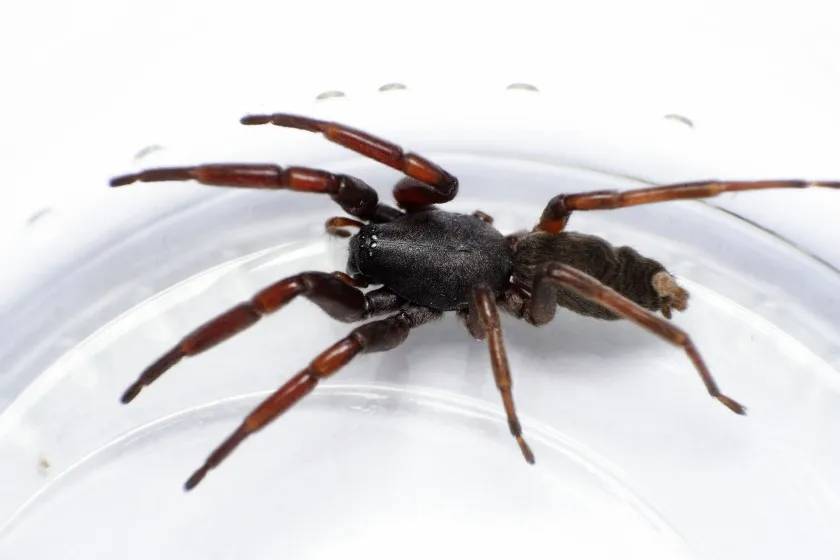
Across the ditch, Australia is famous for its terrifying buffet of venomous creepy-crawlies. Here in Aotearoa, we get off a bit lighter when it comes to NZ spider species, with one notorious exception: the white-tailed spider. Kiwis have swapped horror stories about this whitetail spider NZ loves to hate since childhood, usually while reaching for a can of fly spray. That fear tends to run ahead of the facts, and before long, we have spun a whole web of myths. So let's look at what's really going on with the white tail NZ households keep finding in the laundry.
Good spider identification starts with knowing exactly what you are looking at, which is half the battle when it comes to separating fact from fiction. Take a look at the image below. The white tail has a distinct, elongated body: slender, grey-brown, with orange-ish legs. The giveaway is the small white spot right on the tip of its abdomen. Stretched out, a fully grown white tail is about the size of a fifty-cent coin.
These hunters were introduced from Australia, with their first recorded New Zealand appearance in Waiwera, north of Auckland, back in 1886. They have spread widely since, and you'll most often find them in urban buildings across the North Island, with the odd sighting down south. When the temperature drops, a white-tailed spider heads indoors to escape the chill and to hunt its favourite prey, the grey house spider. That same search for a warm spot is also what occasionally lands them in our beds overnight.
Looking for info about other Spiders? Read more about How to get rid of Spiders.
Top of the worry list for most Kiwis is the white-tailed spider bite. For decades, the effects of white-tailed spider bite stories pinned the blame on flesh-eating necrotic ulcers. Medical research has since cleared the spider's name: there's no convincing evidence that its venom causes those severe reactions.
If you're wondering what a white-tailed spider bite looks like, it usually shows up as a painful, red, localised swelling, not unlike a minor boil.
White tails are among the more prominent biting spiders here, but New Zealand has very few genuinely dangerous venomous spiders nz locals need to lose sleep over. To put it in perspective: a rare katipo spider bite is a serious medical emergency that needs antivenom, while a standard white-tailed spider bite is uncomfortable but completely manageable.
Spot one sitting in the corner of the windowsill, and your first instinct is probably to squash it. But should you kill white-tailed spiders on sight, or is there a smarter way to run your home ecosystem?
Here's a reason to call a truce with another common house guest, the Daddy-long-legs. A popular myth says white tails hunt Daddy-long-legs to steal their venom. The truth is the other way round. White tails are cannibalistic and tend to stick to their own kind or to grey house spiders.
Daddy-long-legs, as it happens, are very good white-tail assassins. White tails roam and hunt on foot, so they get tangled in the messy, erratic webs of the Daddy-long-legs, who win the fight more often than not. Leaving a few harmless Daddy-long-legs up in the garage or high in the ceiling gives you a free, natural line of defence against unwanted visitors.
To keep your place comfortable and pest-free through the winter crawl, work through this simple four-step checklist:
Natural deterrents like minty scents or a couple of resident Daddy-long-legs will handle the occasional intruder. A sudden seasonal influx is different: it usually means your home has a steady food source drawing them in.
If you've had enough of these pests, the pest control team at JAE can back you up. We look at the full picture to deal with the problem safely and quickly:
Don't let unwanted pests settle into your cosy home.
Contact your local JAE branch today on 0800 225 552 for a quote.
FAQ’s
What do white-tailed spiders actually eat?
White-tailed spiders are active, roaming hunters with a highly specific diet: they primarily hunt and eat other spider species. Their absolute favourite local snack is the common grey house spider. Interestingly, they are also cannibalistic, meaning a white-tailed spider will not hesitate to turn on and eat its own kind. Because they don't spin traditional webs to snare food, they actively sneak around your floors, walls, and dark corners looking for other arachnids to ambush.
How can a fragile Daddy-long-legs kill a white-tail? Aren't white-tails more dangerous?
It sounds like a total mismatch, but this comes down to combat strategy rather than a battle of raw venom power among venomous spiders in NZ rankings. When a roaming white-tail accidentally wanders into the messy, erratic, and highly confusing web of a Daddy-long-legs, it quickly becomes tangled and completely helpless. Once the white-tail is trapped, the long-legged assassin easily wins the fight.
What is the easiest way to keep all spiders out of my house completely?
The absolute easiest, "set-and-forget" method to achieve a 100% spider-free home is to have professionals set up a protective chemical shield. While DIY tactics can reduce numbers, a professional team like JAE tackles the root of the issue using a two-pronged strategy:
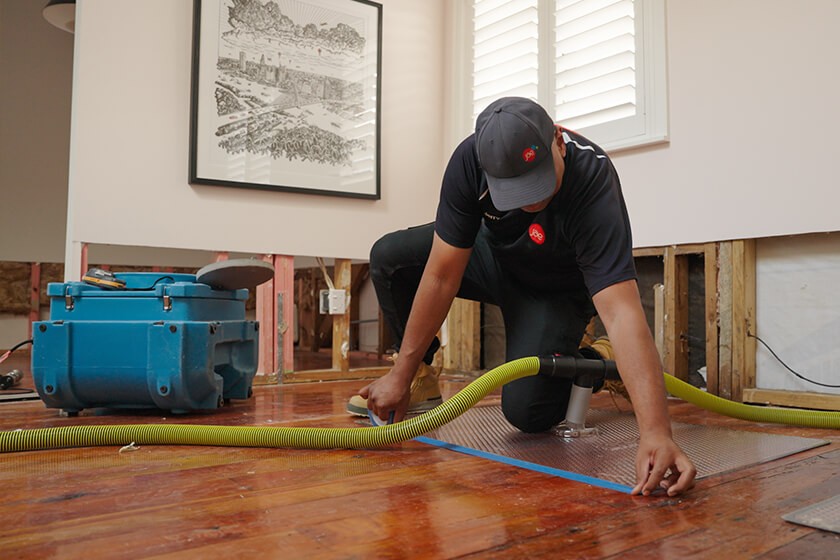
Flood restoration timelines vary depending on affected materials, contamination levels, and overall damage. Learn how JAE’s 24/7 certified specialists use advanced technology to safely dry, restore, and protect your home.
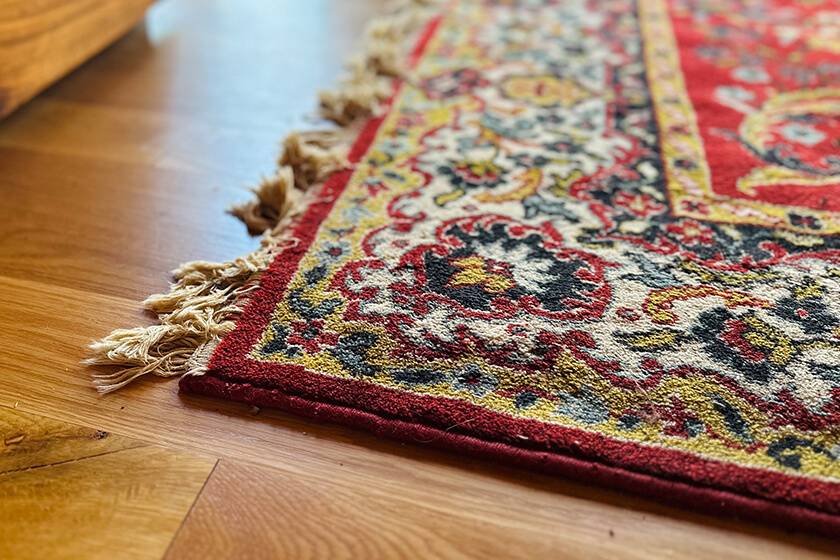
Cold floors and winter condensation can be a headache for your delicate oriental and wool rugs, but with quick action, moisture damage can be banished for good! JAE shares essential tips to keep them dry and explains when to call in the professionals.
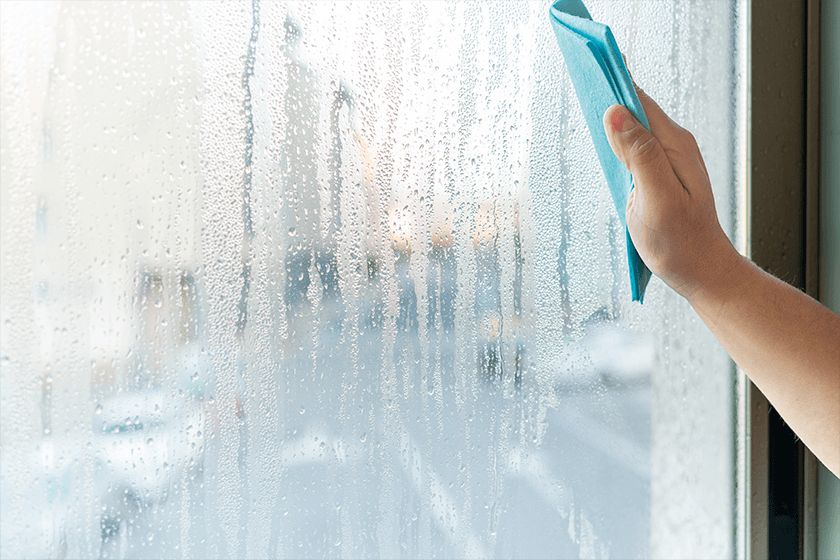
As New Zealand temperatures drop, condensation and mould can quickly take over your home, risking both your property and your family's health. Discover how to keep your home warm, dry, and safe this season.
Our website uses cookies. By continuing, we assume your permission to deploy cookies as detailed in our Privacy Policy.