Pest infestations are more than just a nuisance, they can pose real risks to your health, your family, and the structure of your home or business. Rodents spread disease, insects contaminate food, and some pests can cause serious damage to timber and soft furnishings over time.
At JAE Nelson Tasman, our pest control team serves the Nelson, Richmond, Motueka, and Tasman region. We’re committed to the correct and safe application of pest management products. We can treat active infestations and put preventative solutions in place to stop pests from coming back. Our locally based technicians are certified to handle Class 9 Urban Pest Management Pesticides, so you can trust JAE to take care of it.
JAE can treat a wide range of common New Zealand pests in residential and commercial properties. Below are the pests our technicians deal with most often in the Nelson Tasman area, but there are plenty more pests we can help you with. If you have spotted something and are not sure what it is, give us a call and we will figure it out together.

Ants usually enter homes in search of food or moisture. While most species are more of an annoyance than a direct health risk, some, like the white-footed ant, can be difficult to eradicate without professional treatment. Ant colonies can number in the thousands, meaning DIY sprays often only address the surface problem.
JAE uses targeted ant baits and barrier treatments to address both the visible trail and the nest.

Bed bugs are a surprisingly common problem across New Zealand and are notoriously difficult to eliminate once established. They hide in mattress seams, bed frames, and soft furnishings, emerging at night to feed on sleeping humans and leaving behind itchy, red bite marks. Bed bugs can also hitchhike into your home via second-hand furniture, luggage, and clothing, meaning even the cleanest properties can be affected.
JAE uses specialist treatments to target bed bugs at all life stages, including eggs, to break the cycle and clear the infestation.

Borer beetles are a widespread problem in New Zealand homes, particularly in older properties with untreated timber. The larvae bore through floorboards, joists, and furniture, weakening the timber over time. Signs of borer include small round exit holes and fine powdery dust (frass) beneath affected timber.
JAE uses specialist penetrating insecticide treatments to eliminate borer larvae.

Carpet beetles are a small but destructive pest whose larvae feed on natural fibres including wool, silk, leather, and feathers. Like carpet moths, the damage they cause often goes unnoticed until carpets, rugs, clothing, or upholstery show irregular patches of thinning or bare patches. Adult carpet beetles are often spotted near windows as they are attracted to light.
JAE can treat affected areas with targeted insecticide applications to eliminate larvae and protect your soft furnishings.

Carpet moths are a lesser-known but destructive pest. Their larvae feed on natural fibres including wool, silk, and feathers, meaning wool carpets, rugs, and upholstery are particularly vulnerable. Damage often appears in low-traffic areas such as under furniture or along skirting boards, and may not be noticed until it becomes significant.
JAE can treat affected carpets and rugs with specialist insecticide applications to interrupt the lifecycle and prevent further damage.

Cockroaches are resilient, fast-moving pests that thrive in warm, humid environments, particularly in kitchens, bathrooms, and behind appliances. They carry bacteria and allergens that can trigger asthma and cause food contamination. Spotting even one cockroach in your home is often a sign of a larger hidden population.
Our technicians use targeted gel baits and insecticide treatments to eliminate cockroach colonies.

Earwigs are a common garden pest that can find their way inside homes in large numbers, particularly during hot, dry weather when they are seeking moisture. While they are mostly harmless to humans and do not cause structural damage, they can damage seedlings and plants in the garden and their pincer-like tails make them an unwelcome sight indoors.
JAE can treat both interior and exterior areas to reduce earwig numbers and advise on conditions around your property that may be attracting them.

Fleas are a common problem in homes with pets, but they can persist even after pets have been treated. They bite humans and animals, causing itching and irritation, and in some cases can transmit tapeworms.
Flea eggs can lie dormant in carpet fibres and upholstery for months, and most DIY flea bombs are not strong enough to kill flea eggs, meaning the problem often comes back even after treatment.

Flies are a particular concern in commercial food preparation environments, but can also be a persistent problem in residential properties, especially during summer. Blowflies, house flies, and cluster flies all pose hygiene risks, as they land on food and surfaces and can transmit bacteria.
JAE can apply residual treatments to key fly entry points and resting surfaces. We can also advise on environmental factors that may be contributing to the problem.

Harlequin ladybugs are an invasive species that has established itself across New Zealand in recent years. Unlike our native ladybugs, harlequins can become a significant nuisance in large numbers, congregating on the exterior of buildings in autumn and finding their way inside to overwinter in wall cavities, window frames, and roof spaces. They can leave behind a yellow staining liquid when disturbed and their sheer numbers can be overwhelming.
JAE can treat entry points and affected areas to reduce harlequin ladybug numbers and help prevent them from getting inside.

Pantry moths, also known as Indian meal moths, are a common kitchen pest that infest dried food products including flour, rice, cereals, nuts, and spices. The larvae spin fine silky webbing inside packaging and contaminate food, often going unnoticed until the infestation is well established. If you have noticed small moths flying around your kitchen or fine webbing inside your pantry, it is likely you have a pantry moth problem.
JAE can treat pantry moth infestations and advise on how to store food properly to prevent them from returning.

Portuguese millipedes are an introduced species that can invade homes in large numbers, particularly in autumn when they are on the move. They are attracted to light and often find their way inside through gaps around doors, windows, and foundations. While they do not bite or cause structural damage, they can be extremely difficult to keep on top of and emit an unpleasant odour when disturbed or crushed.
JAE can apply barrier treatments around the exterior of your property to reduce Portuguese millipede invasions and help seal the entry points they are using to get inside.

Rodents are one of the most common pests in kiwi homes and businesses. They gnaw through wiring, insulation, and timber, and can spread diseases such as leptospirosis through their urine and droppings. If you hear scratching in the walls or ceiling, find droppings, or notice chew marks on food packaging, you may have a rodent problem.
JAE uses a combination of baiting stations and trapping to eliminate rodent activity.

Silverfish are small, fast-moving insects that feed on starchy materials, including paper, cardboard, book bindings, wallpaper, and textiles. They tend to inhabit damp areas such as bathrooms, laundries, and roof spaces. Although they do not bite, a large silverfish population can cause significant damage to books, documents, and clothing over time.
JAE uses residual insecticide treatments to address silverfish and reduce the conditions that attract them.

Most spiders found in New Zealand homes are harmless, but species such as the katipo, white tail and redback spider can deliver painful bites, and the recently arrived noble false widow spider is raising concerns across the country. Beyond safety concerns, heavy webbing inside and outside the home is unsightly and can be difficult to keep on top of.
JAE treats both interior and exterior surfaces to reduce spider populations and prevent re-entry.

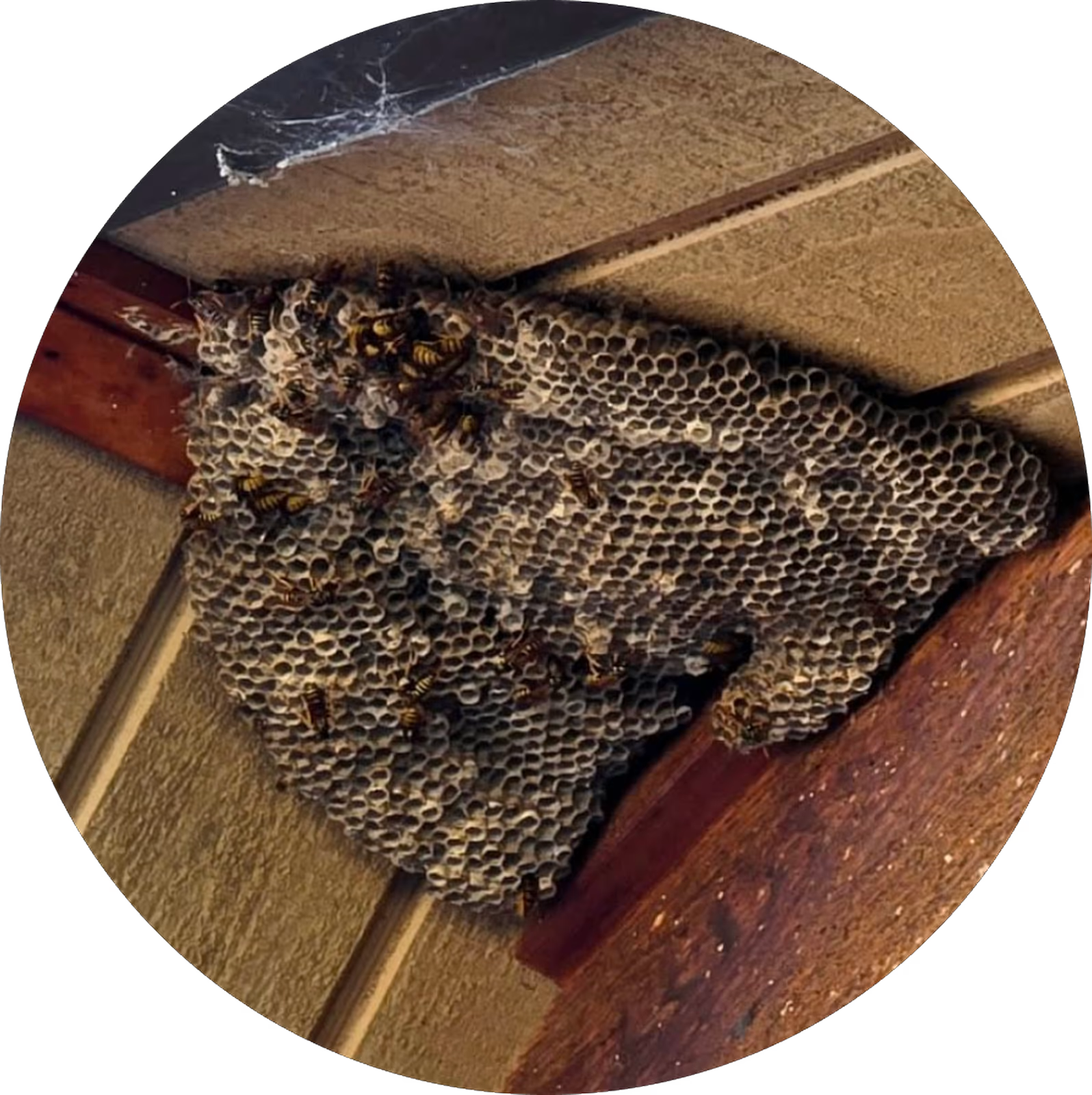
Wasp nests found near doorways, in roof cavities, or in garden areas can be dangerous, particularly for anyone with an allergy to wasp stings. New Zealand's native German and common wasps can build large nests and become aggressive when disturbed. JAE technicians are equipped to locate and treat wasp nests safely. Do not attempt to remove a wasp nest yourself as this can provoke an attack.
Call or email JAE Nelson Tasman or request a quote online. Let us know what pest activity you have noticed and we will advise on the best course of action.
Based on the kind of pests you have, we will advise on any preparation required beforehand, such as clearing areas or arranging for pets to be elsewhere during the treatment.
Your JAE technician will assess your property to identify the type and extent of the infestation, key entry points, and contributing factors. This allows us to tailor the treatment specifically to your situation.
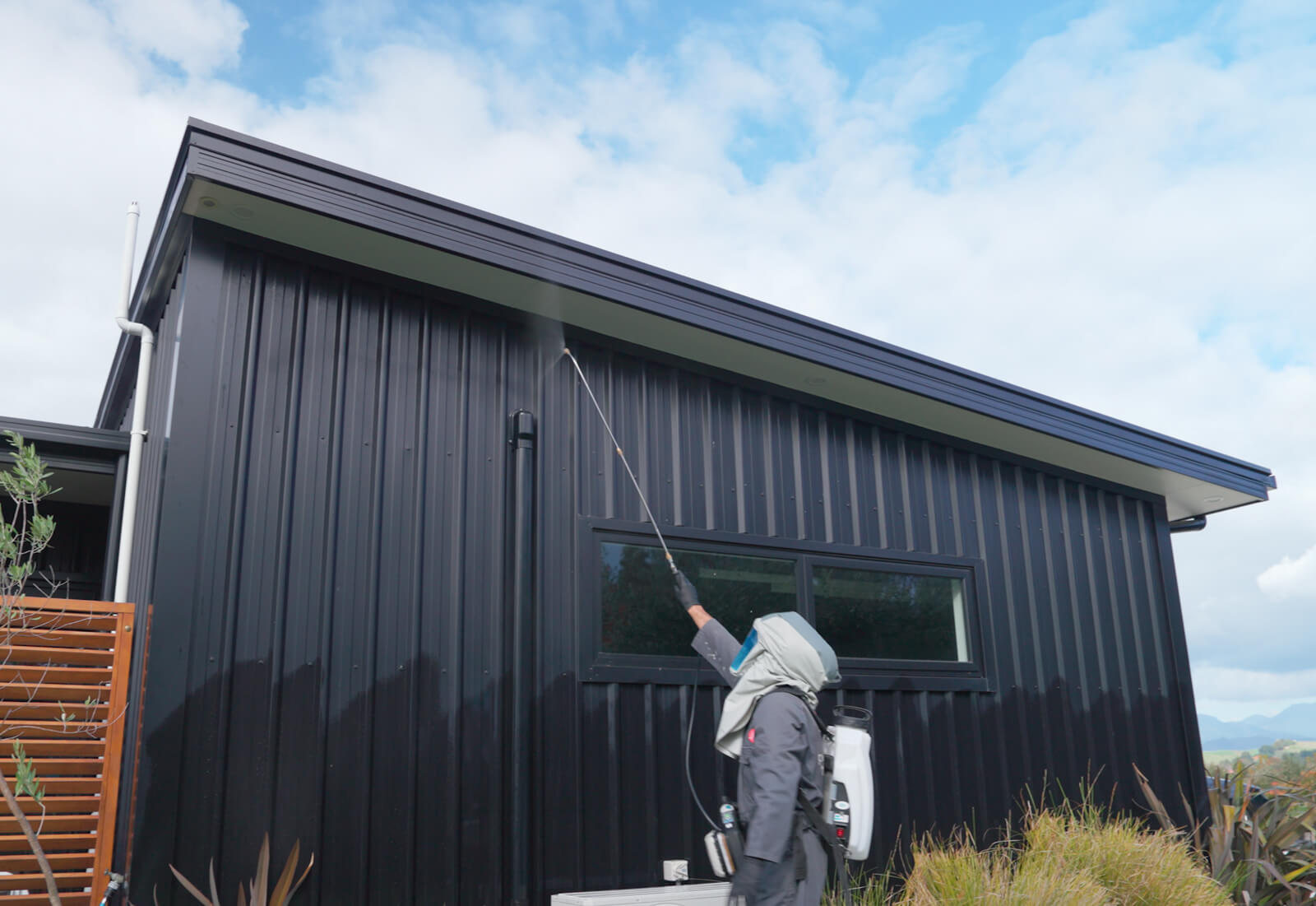
We apply the appropriate pest management products/traps safely and effectively, targeting the areas where pests are active or likely to travel.
Some treatments, particularly for rodents, require follow-up visits to monitor bait stations and confirm the infestation is under control. Your technician will advise on what to expect after treatment and when a follow-up may be needed.
Once the immediate problem is resolved, we can recommend ongoing preventative treatments and practical steps you can take to reduce the likelihood of pests returning. For most properties, a treatment every six to twelve months is a good baseline.
Our Nelson Tasman team knows the region and understands the pest pressures specific to this area, from summer wasp season in the hill suburbs and Moutere valleys, to borer in the region's older villas, to rats and mice moving in from surrounding orchards and bush as the seasons change.
All JAE pest control technicians complete specific JAE training and also hold NZQA and Australasian qualifications, as required for handling Class 9 Urban Pest Management Pesticides. This ensures every treatment is carried out safely, correctly, and in compliance with all relevant regulations.
JAE is a founding member of the Pest Management Association of New Zealand (PMANZ). This affiliation means our technicians keep up with the latest training, technologies, and industry standards, so you can be confident you are getting best-practice pest management.
We take the health and safety of your family, pets, and the wider environment seriously. All products are applied at safe levels by trained professionals. We will always advise you on any precautions to take, such as vacating the property for a short period after a spray treatment.
Pest control does not have to be reactive. JAE Nelson Tasman can put preventative programmes in place for both residential and commercial properties, helping you stay ahead of seasonal pest pressures before they become a problem, particularly important in a region known as the ‘wasp capital’ of NZ.
Whether it is a Nelson city home, a Motueka orchard property, a hospitality business in Tākaka, or a rural lifestyle block in Appleby, JAE has the experience and equipment to handle pest control at any scale or premises, tailoring our approach accordingly.

JAE can treat a wide range of pests including ants, bed bugs, borer, carpet beetle, carpet moths, cockroaches, earwigs, fleas, flies, harlequin ladybugs, pantry moths, Portuguese millipede, rodents (rats and mice), silverfish, spiders and wasps. We also treat many other pests not listed here, so if you are not sure what you are dealing with, give us a call and we will help identify and treat it.
Treatment time depends on the type of pest, the size of your property, and whether it is a preventative treatment or an active infestation. As a general guide: a standard general treatment is one to three hours; a full ant treatment can take up to three hours; rodent management starts at an hour and half with follow-up visits; under-floor borer treatment is four to five hours; and treatments for cockroaches, spiders, and flies in an average home are around one hour inside and an hour and a half outside.
Seeing pests within the first few days after treatment is completely normal. In fact, some treatments rely on pests walking across treated surfaces, so activity may temporarily increase before it decreases. Pests may also emerge from untreated cavities inside wall framing. Once they come into contact with the treatment, they will begin to weaken and die. If you do not see a clear improvement within the guarantee period, contact JAE and we can discuss retreating.
Treatment longevity varies depending on the product used, whether it was applied indoors or outdoors, the local climate, and the severity of the infestation. As a rough guide: flies last two to four months; fleas around six months (provided pets are also treated); standard insects three to six months; spiders and cockroaches around one year; and borer up to five years.
We recommend a pest control treatment at least once a year, and ideally every six months, particularly at the start of spring and summer when most crawling and flying pests become active. If your property has a history of pest problems, is an older building, or is located in a wooded or pest-prone area, more frequent treatments may be beneficial.
JAE can help with both. Whether you have a one-off infestation you need dealt with or you would like a regular preventative programme put in place, we can tailor our service to suit your needs. For most homes and businesses, regular treatments are the most cost-effective way to stay pest-free year-round.
Yes, JAE provides pest control services for a wide range of commercial properties including hospitality businesses, warehouses, offices, rental properties, and more. We understand the specific requirements and compliance needs of commercial environments and can put a programme in place to suit your business.
Yes, all products are applied at safe levels by certified pest control technicians. The sprays JAE use are toxic to fish though, so any fish tanks will need to be well covered while the spray treatment is being carried out. Once the treatment is complete and any required drying or ventilation time has passed, it is safe for your family and pets to return. Your JAE technician will give you specific guidance based on the treatment carried out.
For spray treatments, we recommend vacating your home for around four hours to allow the product to dry fully. For rodent treatments, there is no need to leave. Your JAE technician will advise you on exactly what is required before they begin.
Preparation requirements vary depending on the type of treatment. As a general rule, it helps to clear access to areas being treated, store food in sealed containers, and arrange for pets to be kept away from treated areas during and immediately after the visit. Give JAE a call on 0800 225 552 and we will walk you through exactly what to do beforehand.
There are several practical steps you can take to reduce the risk of a pest infestation. Seal gaps around pipes, doors, and windows where pests can enter. Store food in airtight containers and clean up spills promptly. Keep firewood and garden debris away from the house. Ensure gutters and drains are clear. Fix any moisture issues such as leaking pipes, as damp conditions attract many pests. Regular professional pest control treatments are also one of the most effective ways to keep pests at bay before they become a problem.
Yes, many pests can cause significant damage if left untreated. Rodents gnaw through electrical wiring, insulation, and timber. Borer larvae bore through wooden floors, joists, and furniture over time. Carpet moths destroy natural fibre carpets, rugs, and upholstery. Some insects can also contaminate food and surfaces, posing hygiene and health risks. Getting on top of an infestation early is the best way to minimise damage and cost.
Do not attempt to remove or disturb a wasp nest yourself, as this can provoke an aggressive response. Keep children and pets away from the area and contact JAE. Our technicians are equipped to locate and treat wasp nests safely using appropriate insecticide products.
Here are some guides to help you with some of the worst offending pests, whether you’re in need of information to stop the problem before it starts, you’re after tips on general control or in need of help with full on eradication, we’ve got you covered.

Bed bugs are a surprisingly common problem across New Zealand and can be very difficult to eliminate once established, so early action is key.
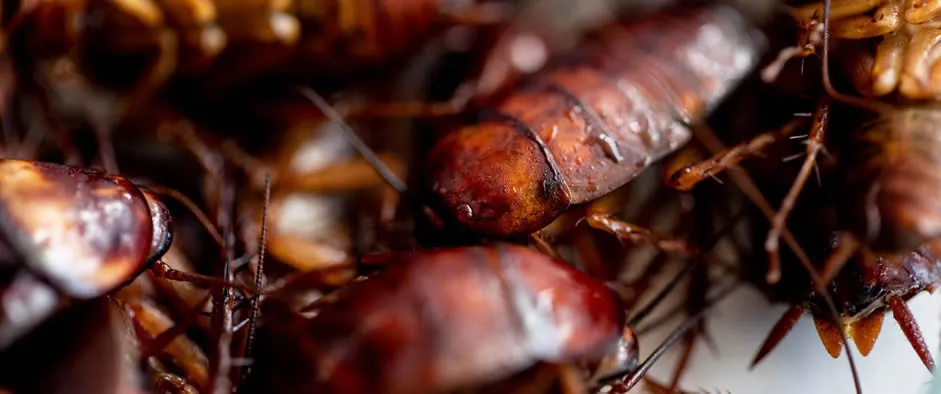
Cockroaches are one of the most common household pests in New Zealand, and while they do not pose major health risks, they can transmit disease and are best dealt with quickly.
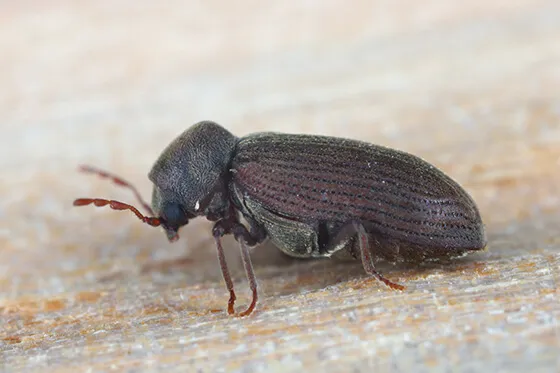
Borer beetles can cause serious damage to the timber in your home, but with the right treatment and regular inspections, infestations can be controlled and prevented from recurring.

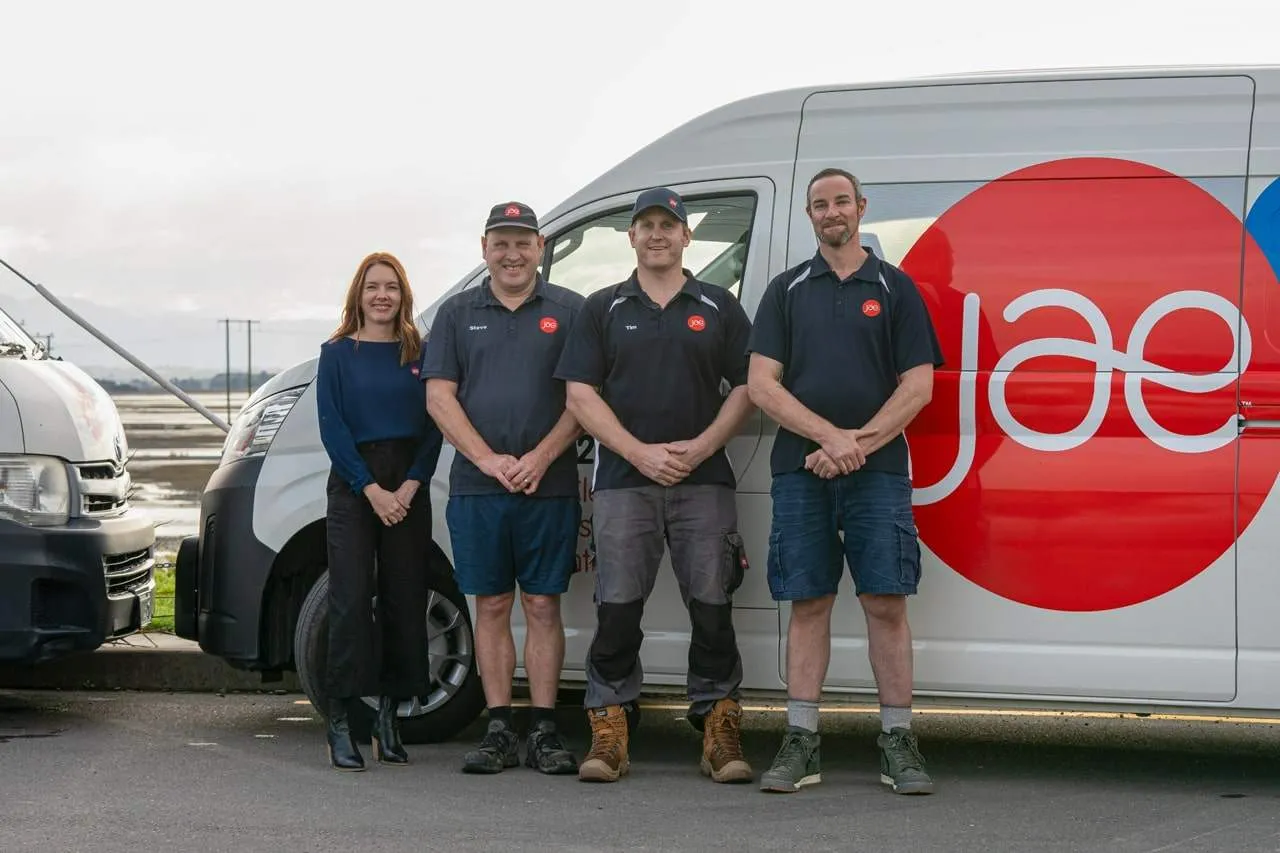


JAE Nelson Tasman is owned and operated by Tim and Courtney Vincent, whose team are your local experts across a wide range of home maintenance services, from pest control to carpet cleaning and flood restoration.
Pest management is a particular focus for the Nelson Tasman branch. Whether you're dealing with wasps, borer, rodents, ants, fleas, cockroaches, silverfish, spiders, flies, carpet moths, or something else entirely, Tim and Courtney's team have you covered.
We proudly service the entire Nelson & Tasman region, including Richmond, Brightwater, Wakefield, Tapawera, Māpua, Motueka, Riwaka, Kaiteriteri and Glenduan. We go as far as Golden Bay including Tākaka, Pohara, Tata Beach, Parapara, Collingwood and Pākawau. For more rural areas, we service Hira, Cable Bay, Todds Valley, Belgrove, Motupiko, Glenhope, Longford, Murchison, and Matakitaki. Whether you're in the city, by the coast, or more rural, our experienced team is here to help.
Check your addressHave any questions or concerns? Send us a message and someone from our team will get back to you as soon as possible.
If you are looking for pricing or to book one of our services, go to our Get a Quote page to send a request.
JAE provide a wide range of services for both residential and commercial customers. Our services include everything from carpet and rug cleaning, upholstery cleaning and stain treatments to full flood and fire restoration services and pest control.

JAE offers a variety of odour treatments that can eliminate, not just mask, strong and offensive odours.

With our fabric protection products, you can relax and enjoy your home and furnishings with peace of mind, knowing they are well protected.

At JAE, we've put years of training and research into developing many of our own products and processes for tackling the toughest of stains.
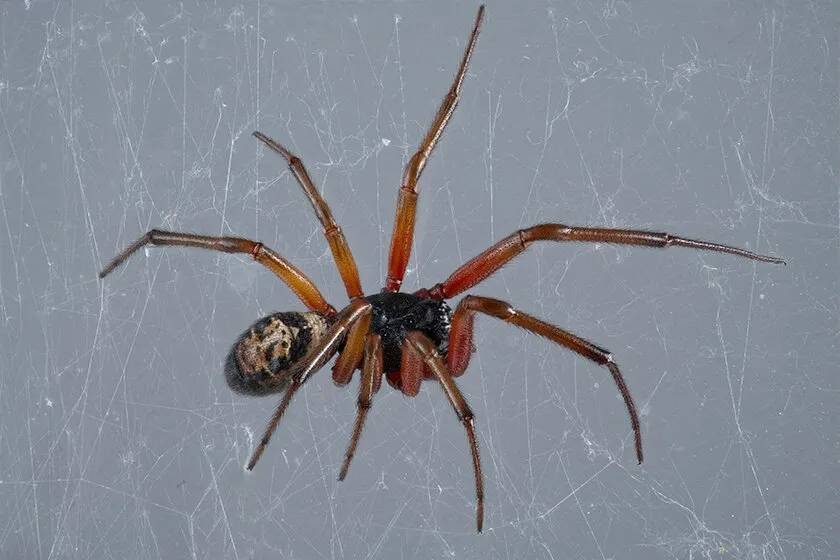
The noble false widow spider has arrived in New Zealand, raising concerns about its venomous bite and potential health risks. Discover how JAE can help safeguard your family and home.
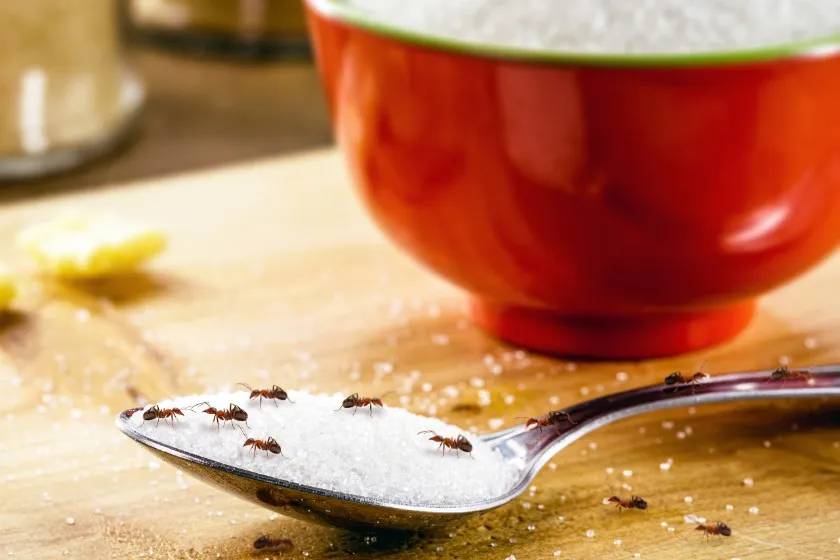
Ants usually come into your home in search of food or shelter. One tiny crumb or food spill can lead to ants invading your home. Check these simple steps on how to get rid of ants and keep them away from your home for good.

One of the most common hiding places for fleas, aside from your pets, is your carpet. Fleas are tiny little pests that are difficult to see and they can already be infesting your carpets before you even know it. It can take weeks to deal with a flea infestation and sometimes, a quick vacuuming will not do the trick.
Our website uses cookies. By continuing, we assume your permission to deploy cookies as detailed in our Privacy Policy.