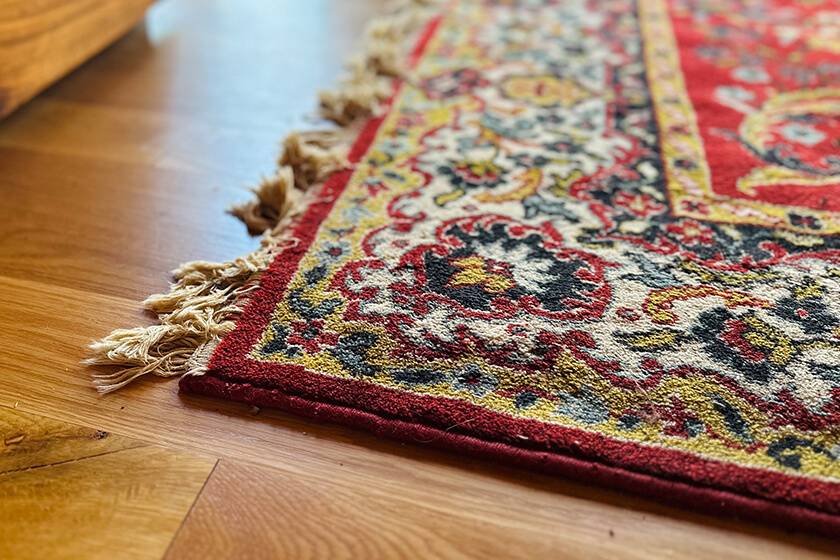
Winter in New Zealand means damp floors, condensation, and cold snaps, and your rugs feel it too. Oriental and wool rugs are especially vulnerable during the dampest months, not just to moisture damage, but to silverfish as well. Here's how to protect your rugs this winter, and what to do if you spot trouble.
Cold floors and damp air are a bad combination for rugs. Concrete and tiled floors hold the cold, so when warm indoor air meets that cold surface, moisture collects underneath the rug where it can't dry out. Natural fibres like wool and silk, common in oriental and heirloom rugs, absorb moisture readily. That's part of what makes them so comfortable underfoot, but it also means they hold onto dampness longer than a synthetic rug, and once moisture is trapped, mould can start forming within days.
The same damp conditions attract another problem: silverfish. These small, fast-moving insects thrive in dark, humid spaces and feed on natural fibres, starches, and dyes, exactly what oriental and wool rugs are made of. A rug that's already holding onto moisture is even more attractive to them, so the two risks tend to show up together during winter.
Signs of a silverfish problem include:
If you spot any of these signs, JAE's pest control team can identify and treat an infestation before it spreads to other soft furnishings in the home.
We also offer an optional moth protection service if moths are a concern.
Alongside silverfish, keep an eye out for:
If you notice any of these, it's worth acting quickly rather than waiting to see if it clears up on its own.
A few simple habits go a long way:
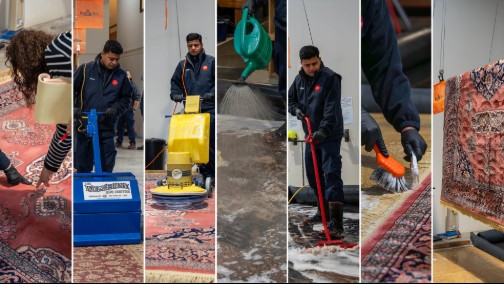
Heirloom, oriental, and wool rugs need a gentler touch than a standard carpet clean. JAE's rug cleaning service uses specialised, delicate cleaning and stain treatment methods designed to revive rugs, remove any dust, grit and treat any early-stage silverfish damage, without harming the fibres, dyes, or backing. Each rug gets its own customised, multi-step cleaning process that is performed at your local JAE branch depot. We always clean rugs at our depots for a more controlled environment as we have many different types of equipment and everything set up to clean and dry your rugs efficiently and effectively.
For rugs that see a lot of use, a JAEGuard ® fabric protection treatment can also help going forward, making it easier for moisture and spills to be attended to before they ever get the chance to soak in and set.
Sometimes it's more than condensation, a leaking pipe, an overflowing gutter, or a flooded room can soak a rug through completely. If that happens, drying it out properly and quickly matters more than anything else. JAE's flood restoration team is available 24/7 nationwide, using specialist drying technology to get moisture out of rugs, carpets, and furniture before mould has a chance to take hold.
If a rug has developed a musty smell that won't shift even after cleaning, that's often a sign moisture got in deeper than the surface. JAE's odour treatment service can help track down and neutralise the source rather than just masking it.
Worried about damp, mould, silverfish, or moisture damage to a rug you care about? Get in touch with JAE today, we'll take care of it.
Q: Can silverfish really damage a rug?
A: Yes, especially natural-fibre rugs like wool and oriental pieces. Silverfish feed on the fibres and dyes, leaving small holes or notches, and they're drawn to the same damp, dark conditions that put a rug at risk of mould. If you spot signs of either, it's worth having the rug checked.
Q: Can mould be removed from a wool rug?
A: Sometimes, if it's caught early. Surface mould on a wool rug can often be professionally treated and removed, but the longer moisture sits, the more likely it is to damage the fibres and dye permanently. It's best to get it looked at as soon as you notice a problem.
Q: How often should heirloom or oriental rugs be professionally cleaned?
A: As a general guide, once a year is a good habit for rugs that see regular foot traffic, or before and after the wetter winter months for higher-value pieces. Rugs that are rarely walked on can often go longer between cleans.
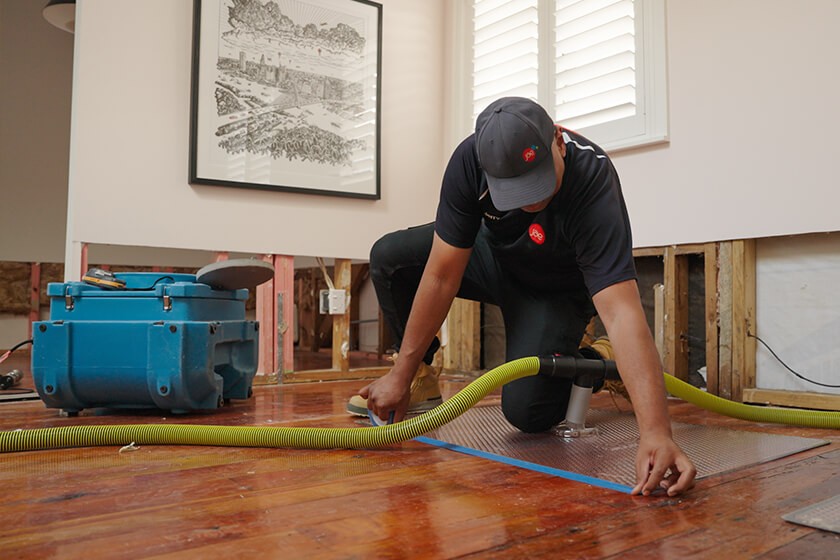
Flood restoration timelines vary depending on affected materials, contamination levels, and overall damage. Learn how JAE’s 24/7 certified specialists use advanced technology to safely dry, restore, and protect your home.
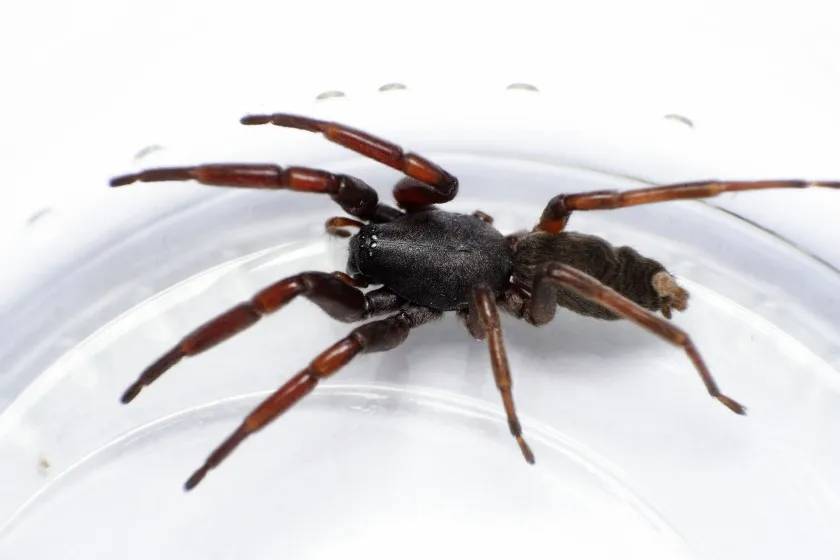
Separating fact from fiction, this guide explores how dangerous New Zealand's notorious white-tailed spiders really are as they head indoors for the winter. Learn how to protect your home using a surprising natural ally or JAE's professional spider eradication services.
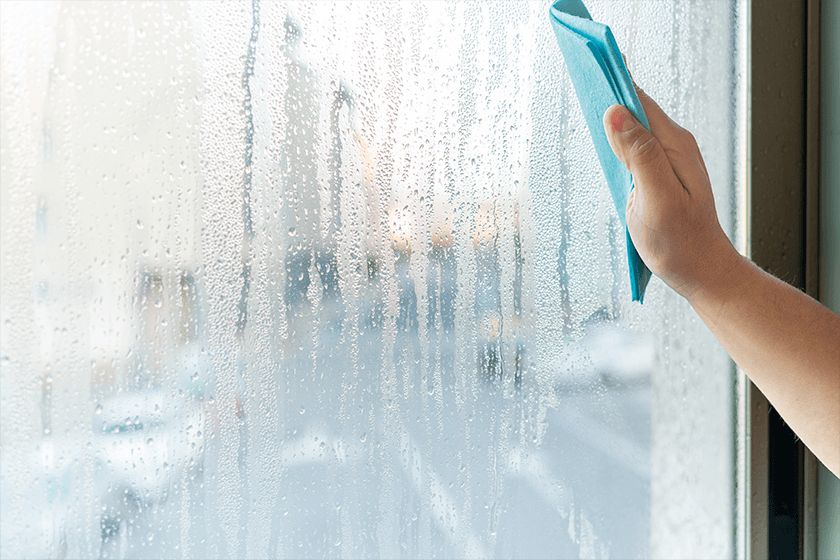
As New Zealand temperatures drop, condensation and mould can quickly take over your home, risking both your property and your family's health. Discover how to keep your home warm, dry, and safe this season.
Our website uses cookies. By continuing, we assume your permission to deploy cookies as detailed in our Privacy Policy.