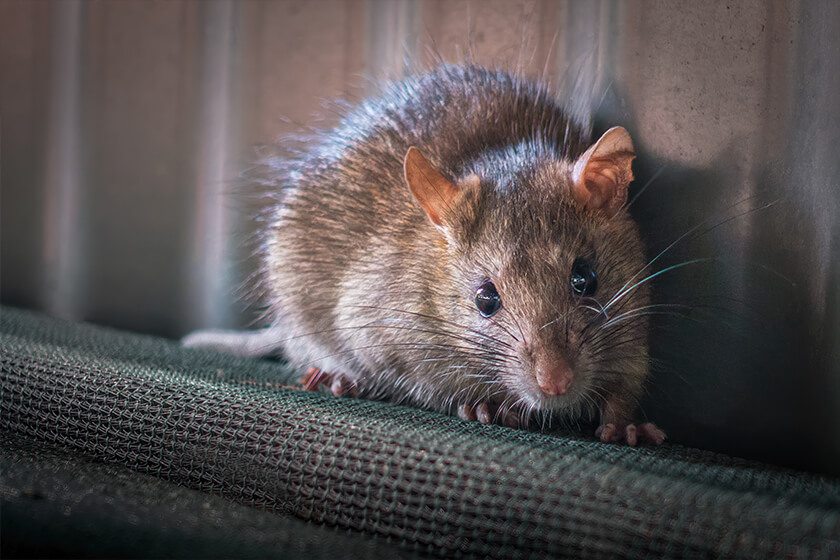
If you’re hearing scratching noises or finding droppings, the key difference is this: rats are larger, louder, and more cautious, while mice are smaller, quieter, and more curious.
Knowing which one you’re dealing with helps you choose the most effective way to get rid of them and prevent the problem from getting worse.
If it looks big, it’s most likely a rat.
Droppings are one of the easiest ways to tell the difference.
Loud, heavy movement is a strong sign of rats.
This is why rats are often harder to catch with DIY traps.
Rats often enter from outside, while mice stay closer to food sources indoors.
While both are unwanted pests, the way you deal with them can differ:
Both rats and mice can:
Identifying the correct pest helps ensure you’re using the right method to remove them effectively.
Common signs of a rodent problem include:
The earlier you spot these signs, the easier it is to deal with the problem.
Rodents breed rapidly, so early action can prevent a larger infestation.
Traps and baits can be effective, but only when used correctly. Common issues include poor placement, using the wrong type of trap, incorrect baiting or not using enough traps for the space.
To improve your chances of success:
DIY methods can work for small or early-stage issues, but may be less effective for larger or established infestations.
Rodents can squeeze through surprisingly small gaps:
Check for gaps around areas like:
Seal any openings with appropriate materials (such as steel wool, scrunched wire mesh or sealant) to prevent re-entry.
Remove or secure any food scraps, bins used for rubbish around the home.
Rats are also excellent climbers and often use nearby trees or structures to access your roof. Trim back any branches or vines that are close to your home, ideally keeping them at least a metre away from the roofline, to reduce easy access points.
If the problem continues or you’re unsure what you’re dealing with, professional pest control can:
JAE provides safe and effective pest control solutions tailored to your home and situation. Their experienced technicians take the time to identify the source of the problem and apply targeted pest control solutions.
Now is the time to get help as Autumn through Winter are when rodents enter homes looking for warmth and shelter.
If DIY traps aren't clearing the infestation or you're unsure where they are nesting, knowing when it’s time to call a professional pest control service can prevent severe structural damage and health risks.
Are rats worse than mice?
Not necessarily, rats tend to cause more damage, while mice reproduce faster. Both can become serious problems if not dealt with quickly.
What attracts rats and mice to my home?
Food, warmth, and shelter are the main attractants. Open food, rubbish, pet food, and easy access points all increase the risk.
How quickly do rodents multiply?
Very quickly, especially mice. A small problem can grow into a large infestation within weeks if left untreated.
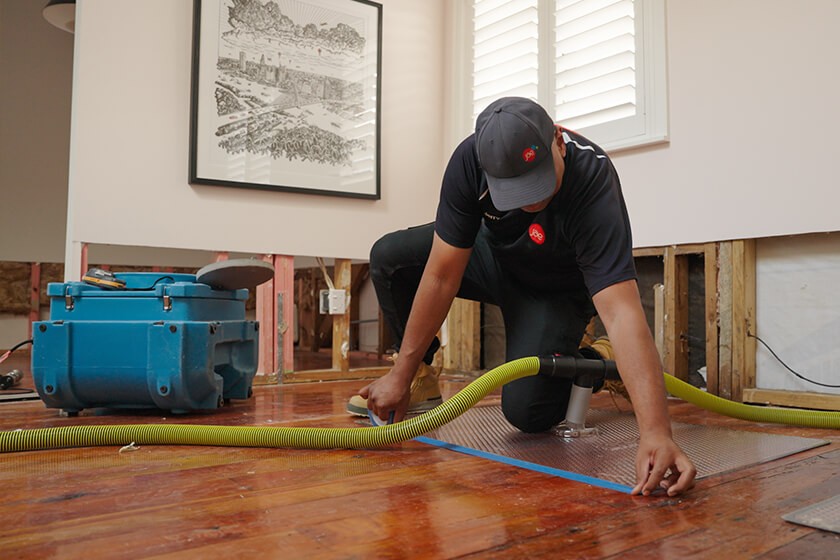
Flood restoration timelines vary depending on affected materials, contamination levels, and overall damage. Learn how JAE’s 24/7 certified specialists use advanced technology to safely dry, restore, and protect your home.
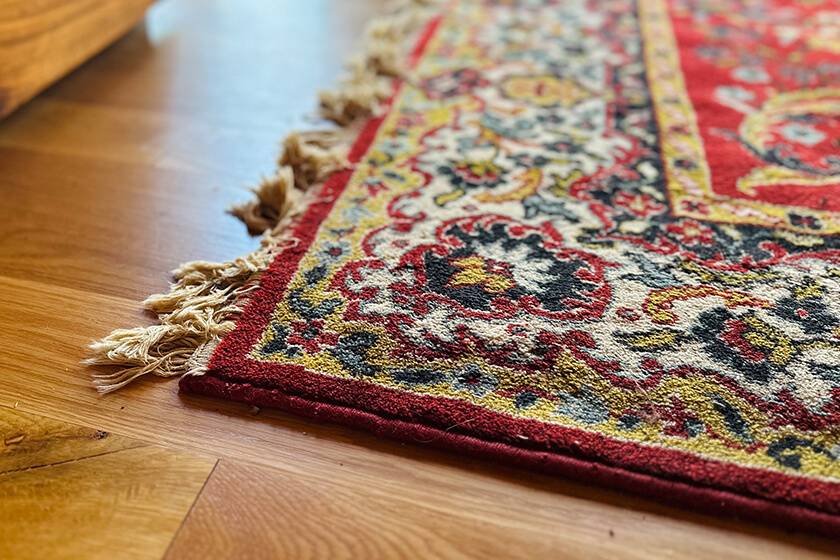
Cold floors and winter condensation can be a headache for your delicate oriental and wool rugs, but with quick action, moisture damage can be banished for good! JAE shares essential tips to keep them dry and explains when to call in the professionals.
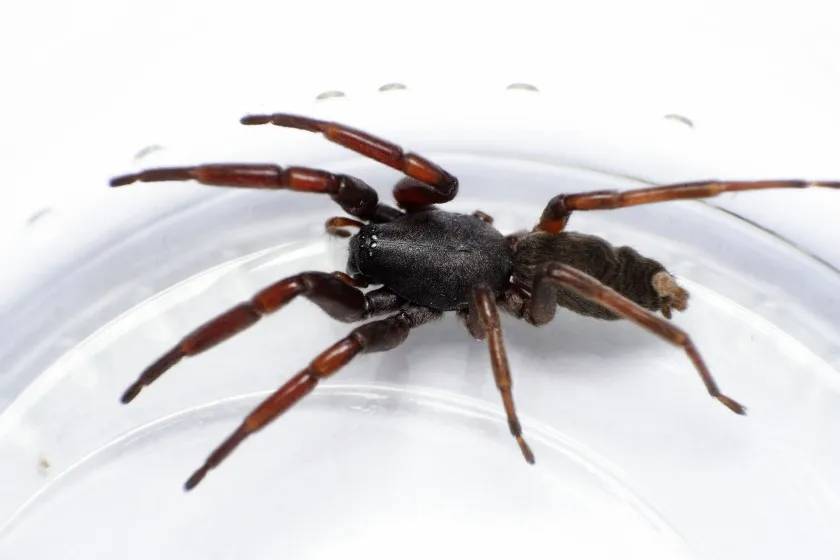
Separating fact from fiction, this guide explores how dangerous New Zealand's notorious white-tailed spiders really are as they head indoors for the winter. Learn how to protect your home using a surprising natural ally or JAE's professional spider eradication services.
Our website uses cookies. By continuing, we assume your permission to deploy cookies as detailed in our Privacy Policy.