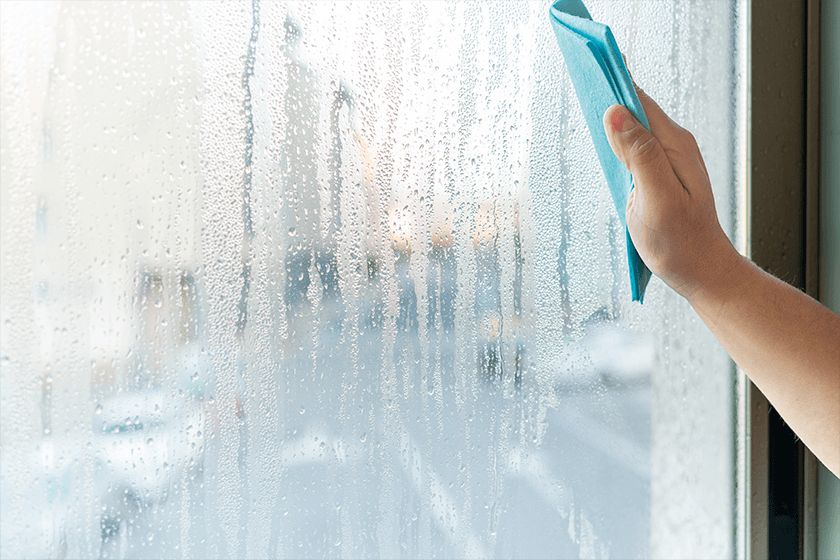
As New Zealand temperatures drop, condensation starts appearing on windows, walls, and ceilings. Those "crying windows" might seem like a minor inconvenience, but left unchecked, they can lead to mould growth, and serious health problems for your family. Here's what you need to know to keep your home safe this winter.
Condensation forms when warm, moist air inside your home meets a cold surface, like a window or an exterior wall. In New Zealand's cooler months, this is extremely common, especially in older homes that lack adequate insulation or ventilation.Lpg
Common causes of excess moisture indoors include:
The result? Water droplets collect on cold surfaces, and if they're not managed, that moisture becomes the perfect breeding ground for mould.
Many Kiwis wipe down their windows each morning and think nothing more of it. But condensation doesn't just sit on glass, it seeps into:
Once moisture gets into these surfaces, mould can begin forming within 24–48 hours. And once it takes hold, it spreads fast.
This is where things get serious. Mould isn't just unsightly, it's a genuine health hazard, especially for children, the elderly, and anyone with asthma or respiratory conditions.
Mould releases tiny spores into the air that can be inhaled. This can trigger or worsen:
Some mould types cause skin rashes, itchy or watery eyes, and general irritation, symptoms that are often mistakenly blamed on colds or allergies during winter.
Prolonged exposure to mould (particularly black mould) has been linked to more serious respiratory conditions and immune system stress. In New Zealand, damp, mouldy housing is a well-documented contributor to poor health outcomes, particularly in children.
Prevention is always better than a cure. Here are practical steps to keep condensation under control:
Curtains and blinds are often overlooked, but they're right in the firing line when it comes to condensation. Hanging close to cold windows, they absorb moisture day after day, making them one of the most common places for mould to take hold in a home.
Signs your curtains or blinds may have a mould problem include:
JAE offers a professional curtain and blind cleaning service that can treat mould, odours, and built-up grime. Because availability varies by branch, we recommend getting in touch to find out what's available in your area.
If you've spotted mould in your home, it's important to act quickly.
Small surface patches (on tiles or painted surfaces) can sometimes be treated with mould-removing sprays and a good scrub. But if mould has spread across walls, ceilings, carpets, or into the structure of your home, that's a job for the professionals.
At JAE, some of our technicians are qualified to assist with mould-related issues. While mould remediation isn't a standard JAE service, we encourage you to give us a ring, we're happy to discuss your situation and see how we can help.
Condensation isn't the only winter culprit. Leaking roofs, burst pipes, and flooding can introduce far greater levels of moisture into your home, and mould can start growing within days if the area isn't properly dried.
JAE's flood restoration team is available 24/7 nationwide. We use specialist drying technology to extract moisture from carpets, furniture, structures and more, getting ahead of mould before it becomes a serious problem.
If your home has been affected by water damage, don't wait. The faster you act, the better your chances of preventing mould from taking hold.
When sudden water leaks or flooding cause major moisture build-up, immediate structural drying is essential. Make sure you understand what to expect when filing an insurance claim for water damage.
One of the telltale signs of a mould problem is a persistent musty smell, even if you can't see obvious growth. Mould often hides behind walls, under flooring, and inside ceiling cavities.
JAE's odour treatment service can help identify and neutralise these odours at the source, rather than just masking them. If there's a smell that won't go away no matter how much you clean, it's worth getting it checked out.
Worried about condensation, water damage, or mould odours in your home? Get in touch with JAE today, we'll take care of it.
Q: How quickly can mould grow after condensation or water damage?
A: Mould can begin to grow within 24–48 hours of a surface being exposed to moisture. In humid winter conditions, it can spread surprisingly quickly, which is why it's important to dry affected areas as soon as possible and ensure good ventilation throughout your home.
Q: Is condensation on windows a sign of a serious problem?
A: Not always, some condensation is normal, particularly in the morning during cooler months. However, if it's happening regularly or you're seeing moisture on walls, ceilings, or inside cupboards, it's a sign of excess humidity that needs to be addressed. Persistent condensation can lead to mould, damaged surfaces, and ongoing health issues if left untreated.
Q: Can JAE help with mould in my home?
A: Some of our technicians hold qualifications in mould-related work. While it's not a standard JAE service, we encourage you to give us a call on 0800 225 552 to discuss your situation we'll do our best to assist where we can.
Q: Can JAE clean mouldy curtains and blinds?
A: Yes, JAE offers curtain and blind cleaning at many of our branches across New Zealand. If you've noticed mould, spotting, or musty odours on your window furnishings, give us a call on 0800 225 552 and we can let you know what's available in your area.
Dealing with property emergency recovery? See our homeowner guide on handling fire and smoke recovery.
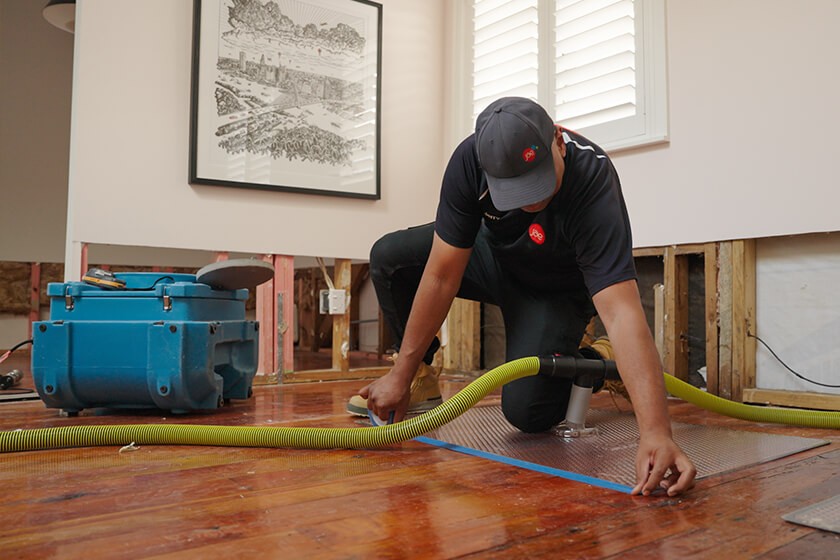
Flood restoration timelines vary depending on affected materials, contamination levels, and overall damage. Learn how JAE’s 24/7 certified specialists use advanced technology to safely dry, restore, and protect your home.
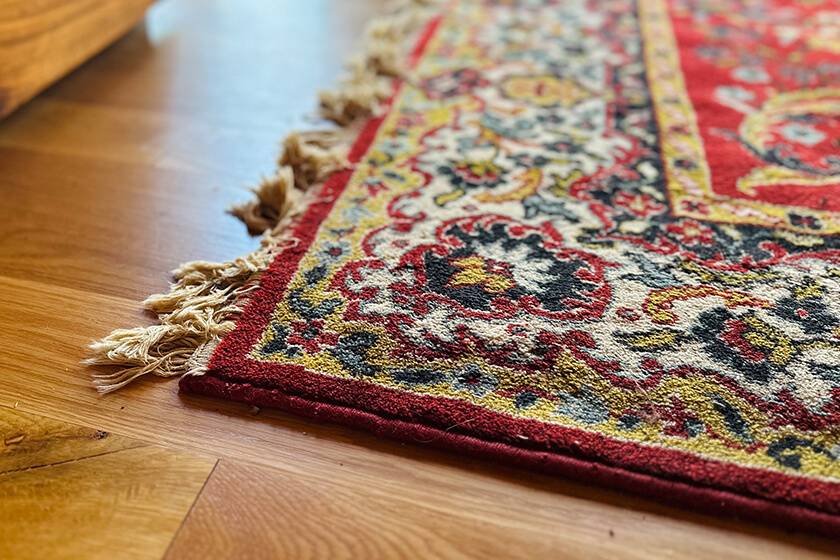
Cold floors and winter condensation can be a headache for your delicate oriental and wool rugs, but with quick action, moisture damage can be banished for good! JAE shares essential tips to keep them dry and explains when to call in the professionals.

Separating fact from fiction, this guide explores how dangerous New Zealand's notorious white-tailed spiders really are as they head indoors for the winter. Learn how to protect your home using a surprising natural ally or JAE's professional spider eradication services.
Our website uses cookies. By continuing, we assume your permission to deploy cookies as detailed in our Privacy Policy.