Many common carpet-cleaning myths can lead to damaged fibres, faster re-soiling and even voided warranties. The truth is that carpets need regular professional deep cleaning to remove embedded dirt, protect fibre quality, improve indoor air quality and keep your warranty valid. Understanding what’s true, and what isn’t, helps you maintain cleaner, longer-lasting carpets all year round.
Why people believe this
Vacuuming is routine, quick and cheap, so many assume that’s enough to keep their carpet clean.
The reality: Vacuuming helps, but doesn’t handle deep dirt, allergens or stains
Warranty tip: Most carpet manufacturers require regular professional cleaning to keep your warranty valid. DIY methods or infrequent cleaning can put your warranty at risk.
Takeaway: Vacuum often, but treat it as maintenance, deep cleaning remains essential.
Why people believe this
Hiring a DIY cleaner or using a small home machine seems convenient and affordable. Many assume it provides the same level of deep cleaning as a professional service.
The reality: DIY machines simply can’t match professional equipment
Takeaway: DIY cleaning is fine for quick touch-ups, but it won’t deliver the deep, thorough clean that protects fibres, extends carpet life, and keeps warranties valid.
What people worry about
Some believe frequent cleaning strips carpet fibres and makes them more prone to soil, or that repeated cleaning makes carpets age prematurely.
The reality - proper cleaning extends carpet life and prevents long-term damage
Takeaway: Proper, professionally-performed cleaning doesn’t make your carpet dirtier - it preserves and even prolongs its life.
Why people believe it
Many homeowners worry about carpets staying damp too long in cold months. They fear lingering moisture, mould or slow drying - and think better to wait until warmer seasons.
The reality: With professional tools, winter cleaning works great
Takeaway: Don’t wait for summer. With the right equipment and care, carpets can (and should) be cleaned any time of year.
Why people think that’s true
Because wool from sheep contains lanolin (a natural oil), many assume that washing or steam-cleaning a wool carpet will wash out that oil - potentially ruining softness or natural protection.
The reality: Wool carpets don’t have lanolin anymore
Takeaway: You don’t need to avoid cleaning wool carpet out of fear of damaging “natural oils.” Proper professional cleaning is safe and recommended.
Believing myths can lead to delays, improper cleaning, or altogether avoiding carpet maintenance, resulting in:
On the other hand, well-informed, properly timed cleaning preserves your carpet, keeps your home healthier, and ensures you get the full value of your flooring investment.
You should consider a professional carpet clean when:
FAQs
Q: Should you wait until your carpets look dirty before getting them cleaned?
A: No, by the time a carpet looks dirty, deeply embedded soil, allergens and oils have already accumulated below the surface. These particles slowly wear down carpet fibres and shorten its lifespan. Regular professional cleaning every 6–12 months keeps carpets hygienic and prevents long-term damage, even if they still look “okay” on the surface.
Q: Does hot-water extraction (steam cleaning) cause mould or mildew?
A: Not when done professionally. Hot-water extraction is designed to clean thoroughly without overwetting. JAE’s equipment removes most of the moisture during the process, and carpets typically dry within hours. Mould or mildew only becomes a risk when too much water is left behind, something that happens more often with DIY machines, not with professional-grade extraction, trained technicians and care that JAE provides.
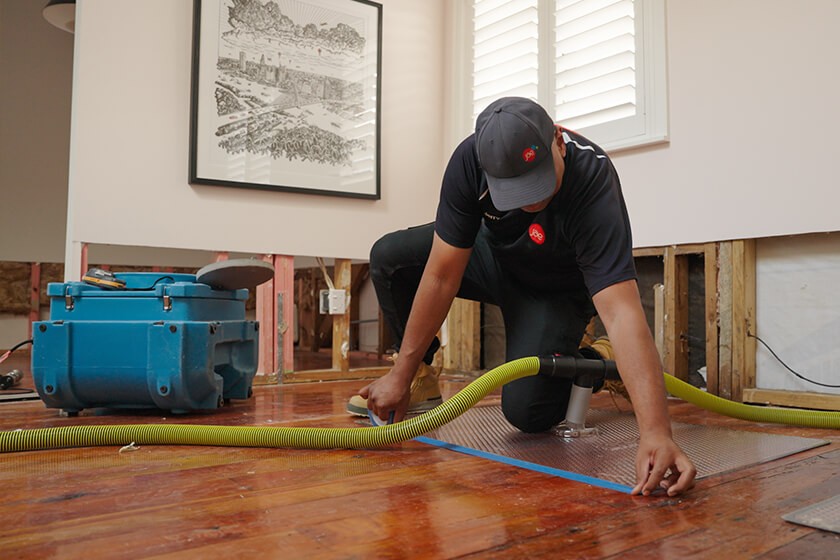
Flood restoration timelines vary depending on affected materials, contamination levels, and overall damage. Learn how JAE’s 24/7 certified specialists use advanced technology to safely dry, restore, and protect your home.
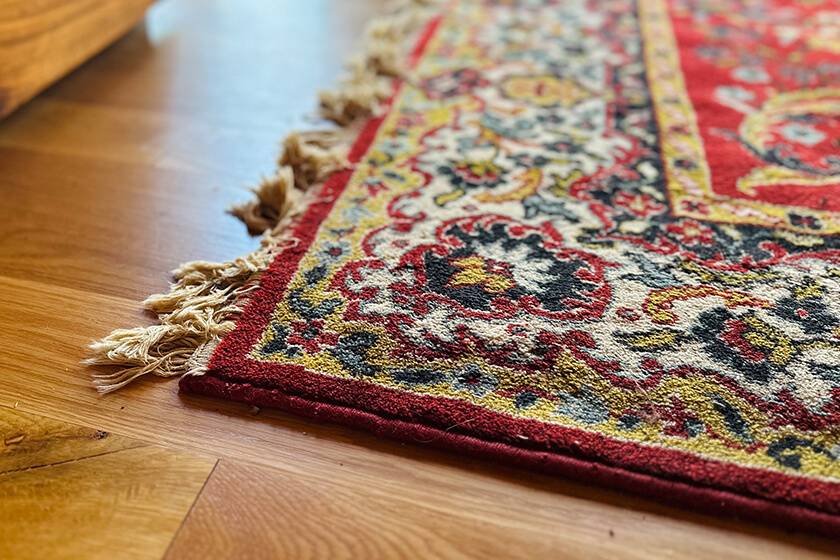
Cold floors and winter condensation can be a headache for your delicate oriental and wool rugs, but with quick action, moisture damage can be banished for good! JAE shares essential tips to keep them dry and explains when to call in the professionals.

Separating fact from fiction, this guide explores how dangerous New Zealand's notorious white-tailed spiders really are as they head indoors for the winter. Learn how to protect your home using a surprising natural ally or JAE's professional spider eradication services.
Our website uses cookies. By continuing, we assume your permission to deploy cookies as detailed in our Privacy Policy.