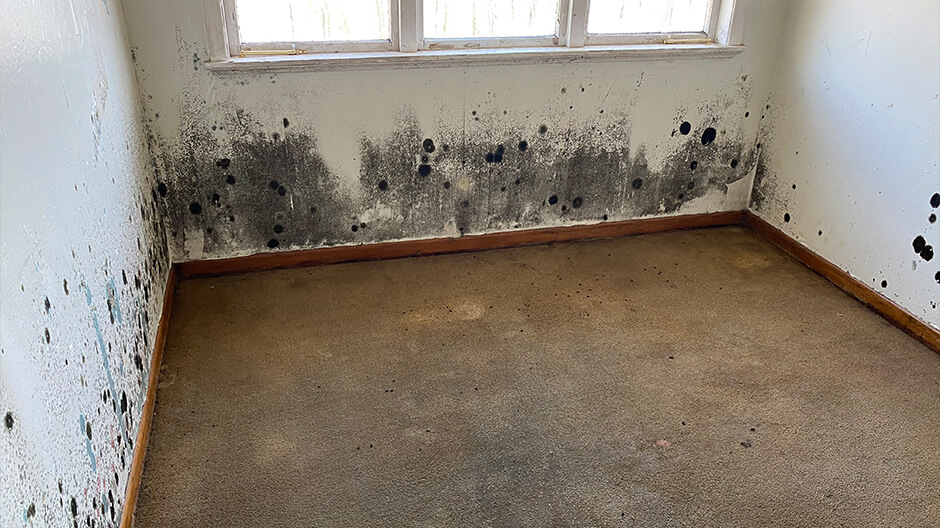
When floodwaters enter your home, the damage isn’t just to walls and furniture, it can pose serious risks to your health. From contaminated water and sewage to black mould spores that linger long after the water is gone, understanding the hidden dangers is essential to keeping your family safe.
Floodwater is often a mix of stormwater, silt, and sometimes sewage, meaning it can carry bacteria, viruses, and chemicals. Even after visible water is removed, microscopic contaminants can remain on floors, walls, and furnishings. This is why proper flood restoration requires more than just drying, it involves professional sanitisation and air quality control to prevent ongoing health risks.
Flooding can quickly create conditions where mildew, mould and bacteria thrive. Within 24–48 hours of moisture exposure, mould can begin growing on surfaces like GIB board, carpet, wood, and upholstery. Left untreated, it can release spores that trigger respiratory problems, allergic reactions, headaches, or skin irritation, particularly in children, older adults, and people with asthma or weakened immune systems.
In some cases, floodwaters may also contain sewage (“black water”), which can harbour pathogens such as E. coli, Salmonella, and Hepatitis A. Even limited exposure to contaminated water or residue can pose significant health risks. That’s why professional assessment and cleaning are essential before reoccupying a flooded property.
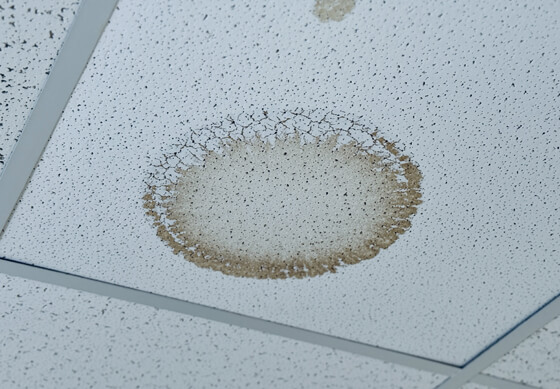
But even small leaks, such as a slow pipe drip, a roof leak, or an appliance malfunction, can cause similar problems over time. If a leak goes unnoticed inside a wall, ceiling, or under flooring, it can create a damp environment perfect for mould growth. By the time staining or odours appear, mould may already be well established. JAE’s moisture detection equipment can identify these hidden leaks and assess whether mould remediation is needed, helping you protect your home before it becomes a larger issue.
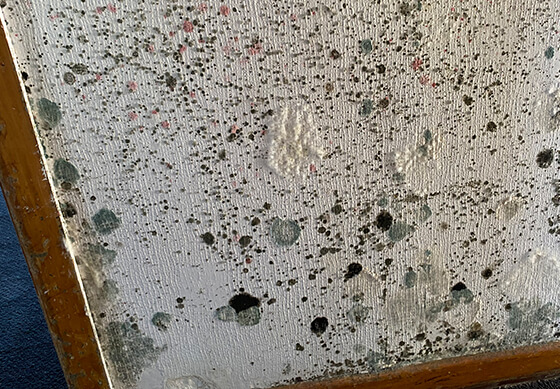
Mould often begins as a musty or earthy smell before becoming visible. You might notice:
If your home has suffered a major flood, mould growth is almost inevitable without professional flood restoration. Moisture can become trapped inside walls, under carpets, or behind furniture, creating hidden hotspots for mould to thrive. JAE’s technicians use specialist moisture meters and air quality testing to locate these areas and determine the safest and most effective treatment plan.
Did you know?
Mould can start growing within 24 hours of water exposure — even if surfaces look dry on the outside. Once it takes hold, spores can spread through the air and contaminate other areas of your home.
It can be tempting to try cleaning mould yourself, but this often spreads spores and makes the problem worse. Household products like bleach only treat surface mould and do not treat the root cause; moisture trapped deep within materials.
JAE’s flood restoration specialists are trained in professional mould remediation and flood restoration. They use advanced drying systems, antimicrobial treatments, and air filtration to safely treat mould and prevent regrowth. Our teams are equipped to handle all levels of contamination, including black mould and sewage-affected areas, restoring your home to a safe, healthy condition.
If you suspect mould following flooding, it’s best to call JAE before attempting to clean or move items. We can assess the extent of damage, identify hidden moisture, and recommend the safest approach for your home.
Floodwater from storms or rising groundwater often contains sewage and other contaminants. If your home has been flooded:
Whether your home has been flooded or you’ve discovered a slow leak, it’s important to act fast. The longer moisture remains, the greater the health and structural risks become. JAE’s certified teams use specialised equipment to detect hidden moisture, remove contamination, and restore your home safely and efficiently.
FAQs
1. How can I tell if my home has mould after a flood or leak?
Mould often starts as a musty smell before it becomes visible. You might notice black, green, or white patches on walls, ceilings, or flooring. A professional inspection with moisture and air testing can detect hidden mould that isn’t visible to the eye.
2. Is it safe to stay in my house if there’s mould after flooding or a leak?
No, prolonged exposure to mould can cause health problems, especially for children, the elderly, or anyone with respiratory issues. Always contact a qualified restoration company like JAE to assess the safety of your home before re-entering or cleaning.
3. Can I clean up mould myself?
Small, surface-level mould patches in dry areas can sometimes be cleaned safely. However, after flooding or long-term leaks, the moisture and contamination levels are far higher. Attempting to clean it yourself can spread spores. It’s safest to have JAE’s professional team handle removal and sanitisation.
Our website uses cookies. By continuing, we assume your permission to deploy cookies as detailed in our Privacy Policy.