Flood damage can feel overwhelming, but fast action and the right expertise can often save floors, carpets, and furnishings that might otherwise be replaced. JAE’s flood restoration specialists use advanced drying systems and proven techniques to restore homes and businesses quickly and safely. In many cases, customers can contact JAE first, begin restoration immediately, and then lodge their insurance claim afterward.
This article shares real flood restoration case studies from around New Zealand, showing how effective professional drying and restoration can be.
When water damage occurs, every hour counts. Moisture quickly spreads through carpets, flooring, and structural materials, increasing the risk of permanent damage and mould growth.
Professional flood restoration helps to:
JAE is an insurance-approved supplier available 24/7 for flood emergencies, so you can call us immediately after a flood. We can begin restoration work straight away, and you can then lodge your insurance claim with confidence.
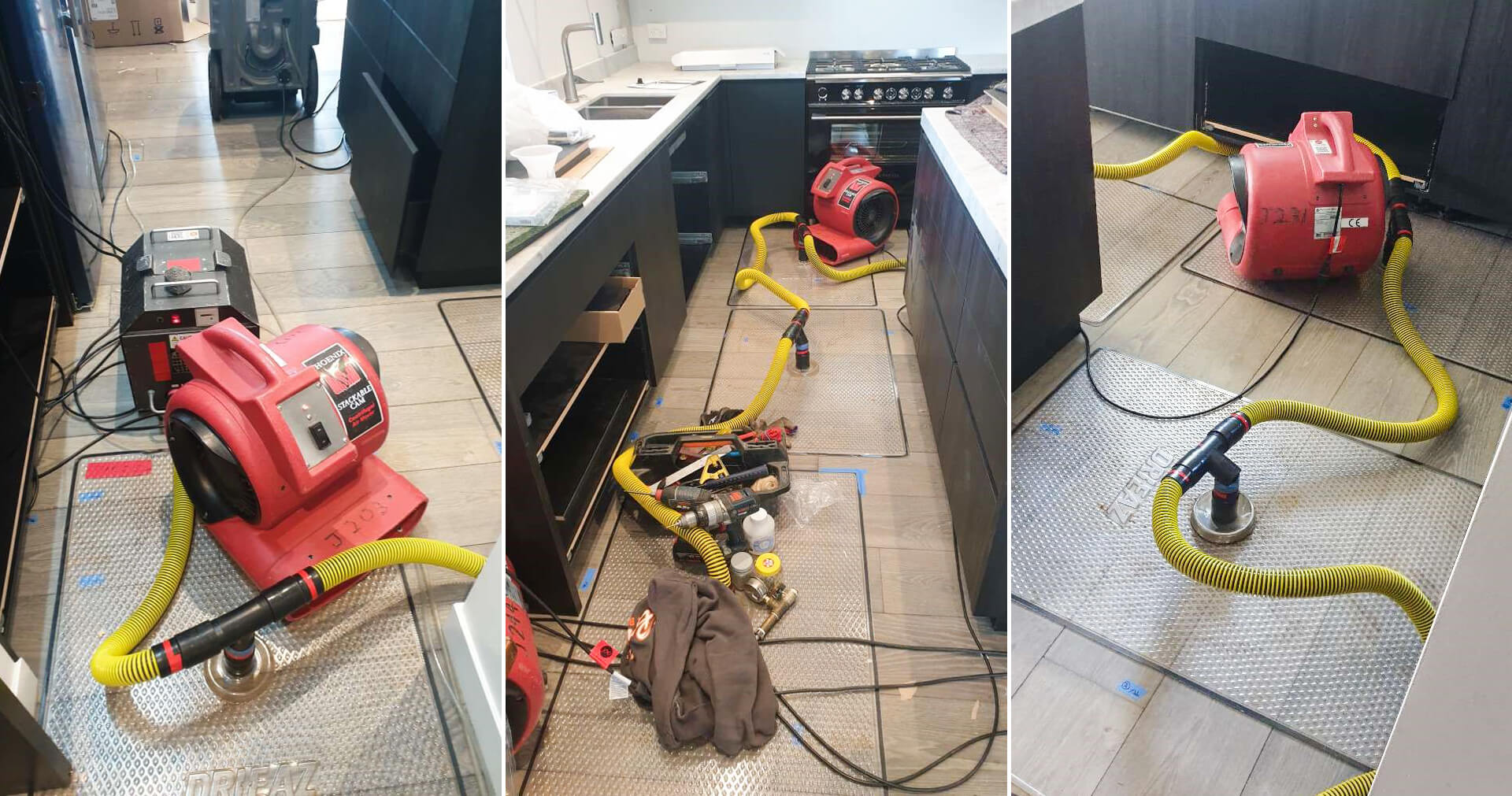
A newly installed engineered timber floor in a designer kitchen suffered significant water damage after a flood. The flooring began to absorb moisture and showed signs of deterioration that could have required full replacement.
Using specialised drying mats and controlled airflow, JAE technicians were able to draw moisture out from deep within the flooring layers without removing the boards.
The results:
Replacing the floor would have cost over $20,000, plus the additional expense of removing and reinstalling cabinetry and fixtures. Instead, the floor was restored for a fraction of the cost.
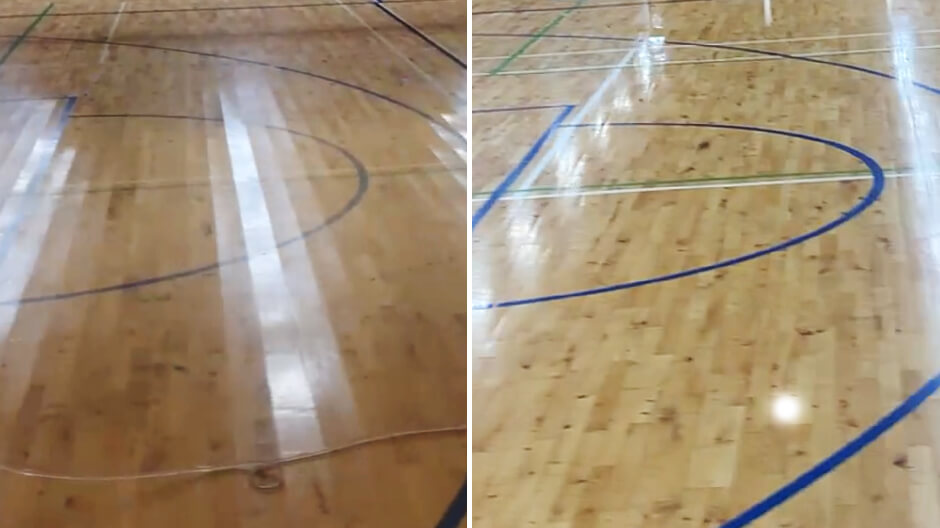
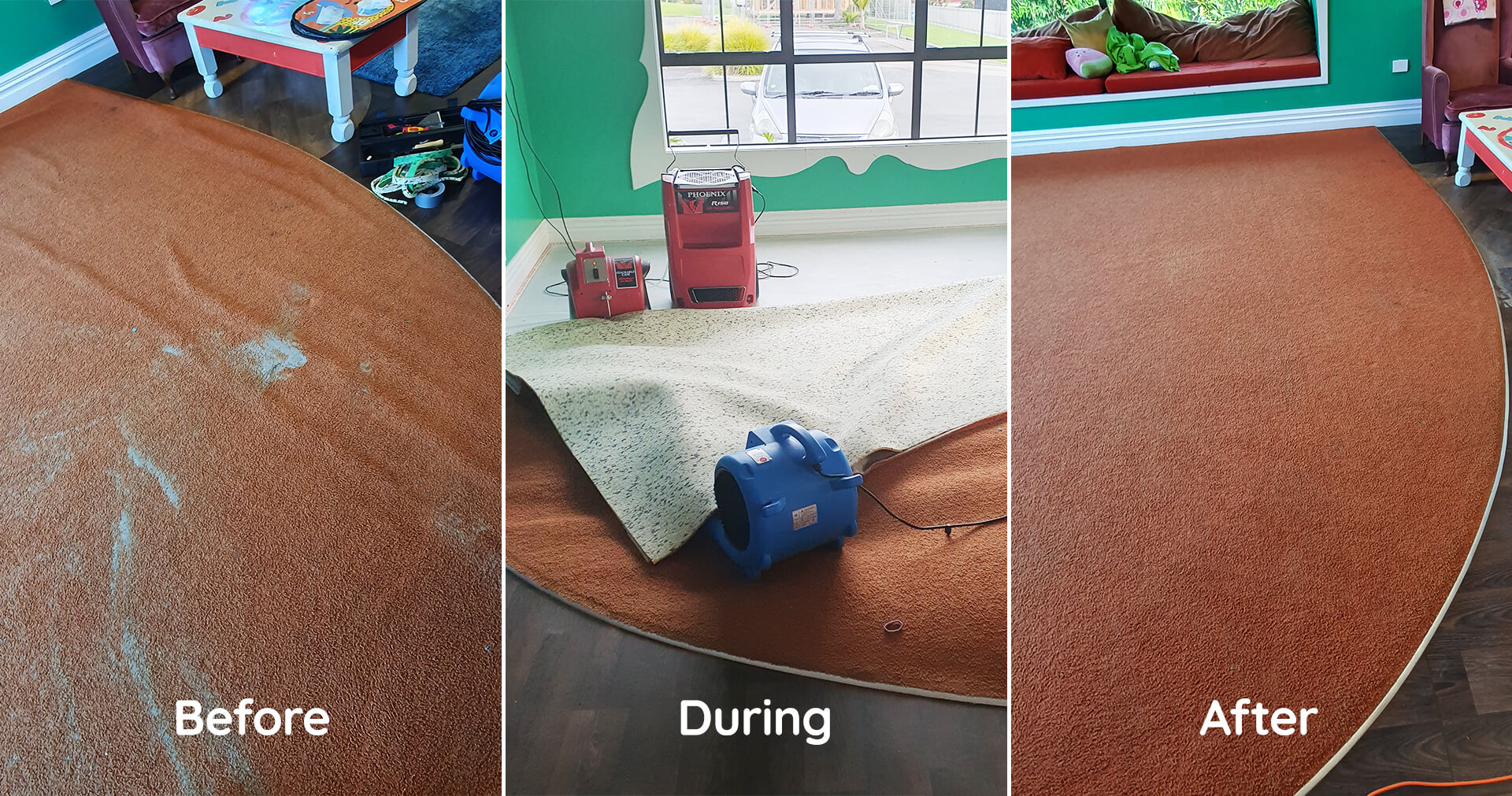
Flooding at a daycare created a challenging restoration environment, as drying work had to be completed around operating hours to ensure the space remained safe for children.
JAE technicians:
The results:
This project demonstrated how commercial flood restoration can be adapted to suit busy environments.
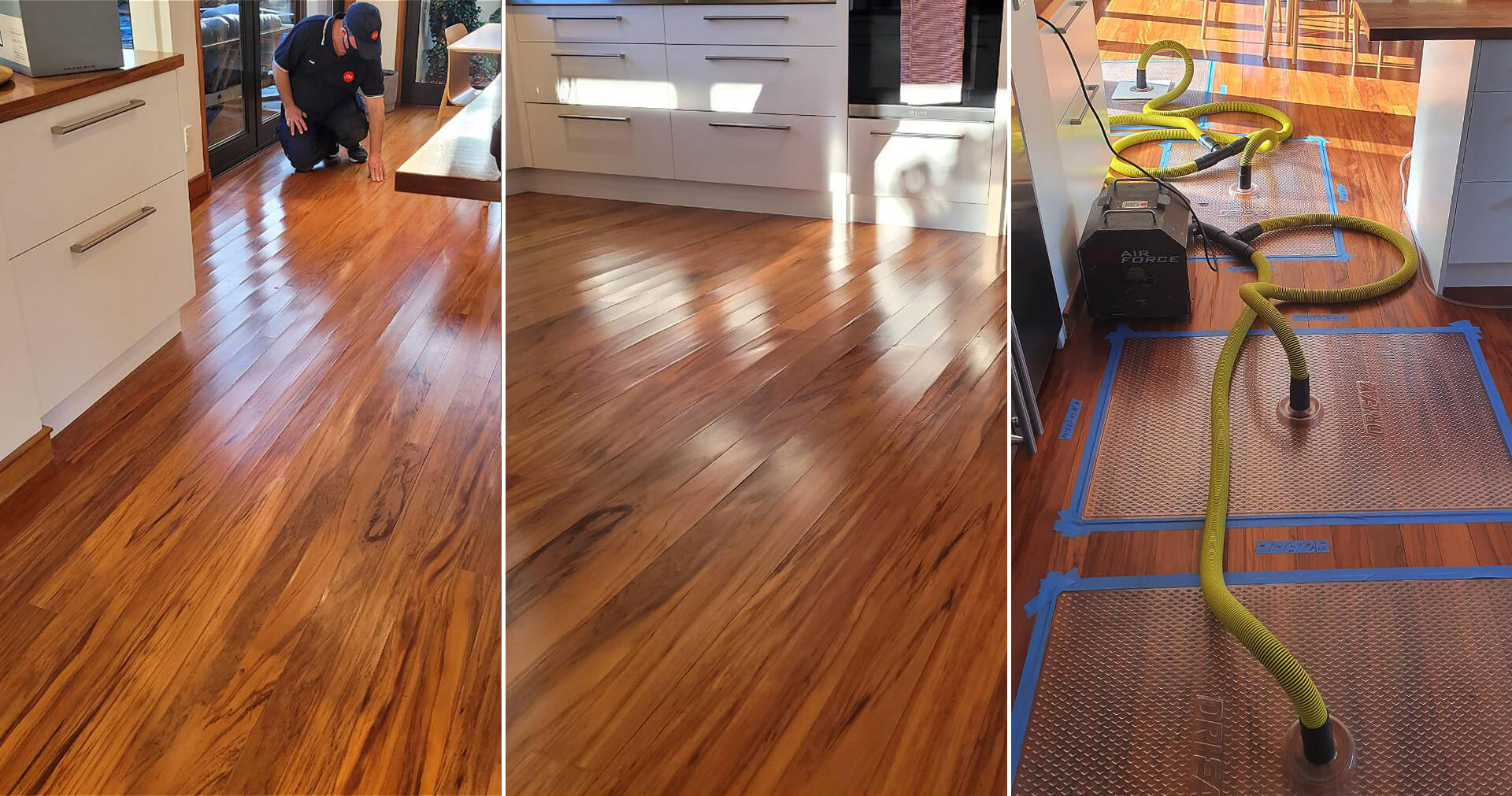
After a significant water leak, a Yaka timber floor in a 4 million dollar home developed visible cupping as moisture penetrated deep into the wood.
JAE installed a rescue mat drying system designed specifically for timber flooring. Over several days, moisture levels were carefully reduced until the floor began returning to its original shape.
The results:
Without specialist drying, the floor would likely have required full replacement.
Real-world flood restoration projects highlight how professional drying can make the difference between restoration and replacement.
Key takeaways include:
After a flood, we recommend contacting your insurance provider as soon as possible. However, if you’re unable to get through quickly, JAE can step in to help right away.
JAE is an insurance-approved supplier, and we work with all major insurance companies. By acting quickly, we can:
Simply provide your insurer and policy number, and we can begin work while your claim is underway.
In a flood, time is critical. JAE are experts in flood restoration, available 24/7 to respond to emergencies when you need us most.
Q: What’s the first thing I should do after a flood?
A: Your first step should be to contact your insurance provider. If you can’t reach them straight away, JAE is here to help. We can begin extraction and drying promptly to reduce further damage, just have your insurer and policy number ready. JAE are an insurance approved supplier, so we can work with all major insurance providers.
Q: Can flood-damaged floors really be saved?
A: Yes, many floors can be restored if drying begins quickly. Specialist equipment can remove deep moisture and prevent permanent damage, avoiding the need for replacement.
Q: How long does flood restoration take?
A: Most drying projects take several days, depending on the extent of the damage. JAE monitors moisture levels throughout the process to ensure materials are fully dry.
Q: Does JAE work with insurance companies?
A: Yes, JAE is an insurance-approved supplier and works with all major insurers. We partner with providers including Westpac, IAG, Ando, Initio, Chubb, AIG, FMG Advice & Insurance, AMI, Tower, Lumley, State, BNZ, and Lantern Insurance. Even if your insurer isn’t listed, you can still choose JAE and work with your insurance company.
Our website uses cookies. By continuing, we assume your permission to deploy cookies as detailed in our Privacy Policy.