House Flooded? A Step-by-Step Emergency Checklist for Kiwi Homeowners
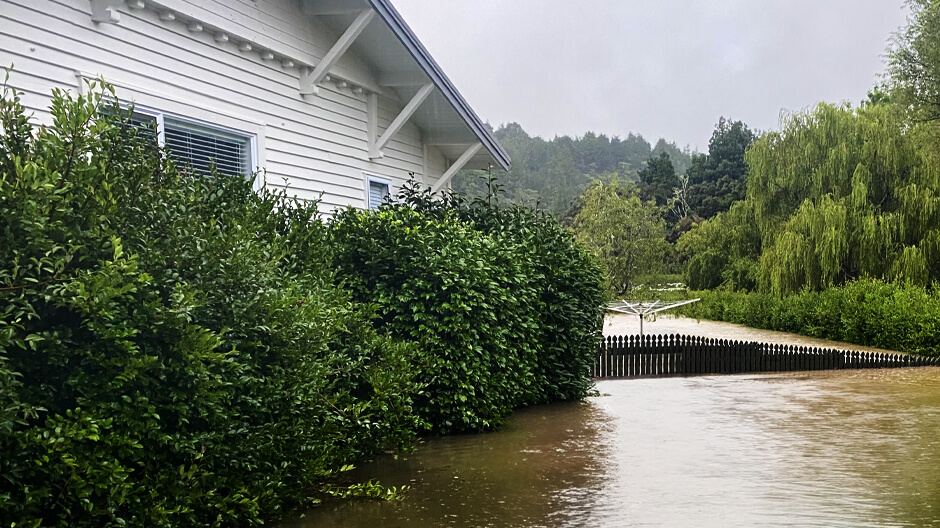
A flooded house can be one of the most stressful situations a homeowner faces. Whether the cause is a burst pipe, heavy rain, or an appliance leak, knowing what to do in a flood during the first few hours is essential for protecting your home and your safety. The sooner you act, the more likely it is that water damage can be minimised, and your property can be restored.
At JAE, our technicians are trained to respond quickly to water damage emergencies across New Zealand 24/7. This guide outlines the practical steps to take immediately, and explains how acting fast can save your home and possessions.
1. Put Safety First
Always prioritise safety, if there’s standing water and electrical hazards, evacuate immediately. Leave the premises and contact emergency services.
Before entering any flooded area, make sure it’s safe. Water and electricity are a dangerous combination. If possible, turn off the power, water, and gas at the mains before stepping inside. Avoid standing in water where electrical outlets, cords, or appliances are present.
If there has been a major weather event, stay informed by listening to the radio or following your local Civil Defence Emergency Management Group online for the latest updates and safety information. Never enter floodwater that may be fast-moving, deep, or contaminated.
Also, ensure that pets are kept safe and livestock are moved to higher ground during severe flooding.
If floodwater may contain sewage or chemicals, do not touch or attempt to clean it yourself. Contaminated water can carry harmful bacteria and toxins. JAE’s flood restoration specialists are trained and equipped to safely handle all types of floodwater and will know how to respond in these conditions.
After flooding, be cautious of slippery surfaces, hidden debris, or weakened structures. If your home has been without power, avoid switching on electrical appliances until they’ve been checked by a qualified technician.
2. Stop the Source of Water
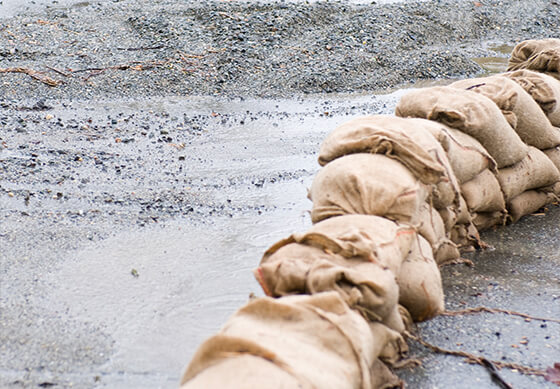
If the flooding is caused by a burst pipe, leaking appliance, or overflowing fixture, locate and turn off the water supply. For storms or rising groundwater, try to divert water away from the house if it’s safe to do so using sandbags or barriers. Stopping the flow as soon as possible prevents further damage and reduces the drying time required later.
3. Call the Professionals Immediately
Time is critical in a flood. The faster you contact JAE, the greater the chance of saving carpets, furniture, and structural elements. JAE is an insurance-approved supplier and operates a 24/7 emergency flood team, so you can call us first and begin professional drying before lodging your insurance claim. Acting quickly also helps reduce the risk of mould, odours, and long-term damage.
Our technicians arrive with specialist equipment to extract water, monitor moisture, and assess what can be restored. We also document the damage to assist with insurance claims, giving you peace of mind that both your home and claim are in safe hands.
4. Protect Your Belongings
While waiting for JAE to arrive, move valuable or sentimental items such as electronics, important documents, and small furniture to a dry area if it’s safe. Avoid lifting heavy or soaked items to prevent injury. If possible, place aluminium foil or wooden blocks under furniture legs to reduce further water absorption.
If carpets, rugs, or upholstery are wet, avoid walking on them until they’ve been professionally inspected. Wet fabrics can quickly develop mould and odours if not properly treated and dried.
Discard any food or drinking water that’s been exposed to floodwater, even canned items. Make sure you photograph any spoiled or contaminated goods before throwing them out.
Avoid using machinery or electrical devices that have gotten wet. If your vehicle has been submerged, don’t start it or try to drive it. The same applies to tools or appliances, such as chainsaws, that may have been damaged by water.
If it’s not raining, ventilate the area by open windows and doors to promote airflow and reduce moisture build-up.
Always use protective gear - such as gloves and masks - as floodwater often contains sewage and other hazardous materials.
If possible, begin cleaning and drying your home and belongings promptly; items left damp for more than two days are likely to develop mould.
Avoid any actions that could endanger your safety or lead to further damage to your property.
5. Document the Damage
Take photos or videos of every affected room and damaged item. Note the source of the flooding, the depth of water, and any visible damage to walls, floors, and fixtures. Note down details and values of valuable items that may need to be replaced. This documentation can support your insurance claim and help JAE assess the full scope of the restoration needed.
6. Contact insurance
Once your home is stabilised and safe, make sure to lodge a claim with your insurance. JAE can work with any insurance company and help assess what can be restored and what needs replacement. From carpet and upholstery cleaning to mould and odour treatment, our comprehensive restoration service is designed to return your home to a healthy, comfortable state. We can also use ultrasonic cleaning that can help to restore your flood damage contents.
If you’re beginning the recovery process, remember that drying and restoration can take time. Your JAE technician will keep you informed every step of the way and ensure your home is fully restored before reoccupation. Your insurance will be able to help with any emergency accommodation if needed.
If it’s safe to do so, hold off on throwing anything away until you’ve spoken with your insurer, as keeping items can help speed up the claims assessment.
If your home can’t be lived in, you may qualify for temporary accommodation support under many home and contents policies. Check with your insurer to see what assistance is available.
7. Begin the Drying and Cleaning Process
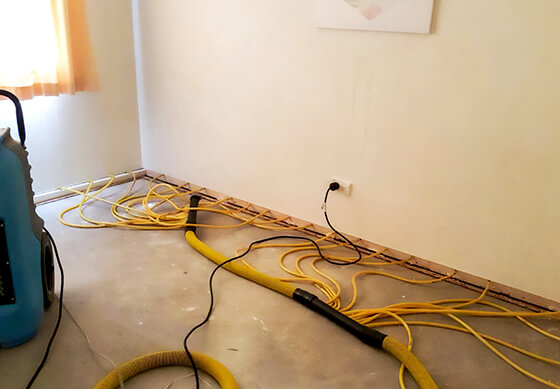
Even after visible water is removed, moisture can remain trapped in floors, walls, and furniture. JAE uses advanced drying systems and dehumidifiers to thoroughly remove water and monitor humidity levels with high-tech moisture readers. Attempting to dry a flooded house without the right equipment can leave hidden moisture behind, leading to mould or structural damage.
Once the area is dry, any surfaces affected by floodwater should be cleaned and sanitised. Floodwater may contain dirt, sewage, and bacteria that can linger even after drying. JAE technicians use specialised antimicrobial treatments and odour control methods to help restore a clean, safe environment.
If your house has been flooded, acting fast is the key to minimising damage. Contact your local JAE flood restoration team to start expert drying and restoration, and protect your home before more serious issues develop.
While a flood can feel devastating, you’ll be surprised at just how much JAE’s qualified teams can often restore. There are a wide range of materials and finishes from walls, floors, carpets, and rugs to furniture and upholstery that can be restored. With years of experience in flood restoration, JAE’s qualified team is here to take the stress out of the situation and guide you step by step toward a safe, dry home.
1. How quickly should I call JAE after a flood?
Immediately. Water damage begins within minutes, and the longer water sits, the more serious the damage becomes. JAE’s 24/7 emergency teams can start the drying process right away, helping to save carpets, furniture, and other materials before permanent damage occurs.
2. Can I start cleaning up before JAE arrives?
If it’s safe, you can move valuables out of flooded areas and take photos of the damage. However, avoid using household vacuums, fans, or heaters, these can spread contaminants or worsen moisture issues. Leave deep cleaning and drying to JAE’s trained technicians who use specialised equipment and safety procedures.
3. Does JAE work with insurance companies?
Yes. JAE is an insurance-approved flood restoration provider and can work directly with your insurer to make the process smooth. You can contact JAE first to start emergency restoration, and we’ll provide the necessary documentation and assessments for your claim.
Our website uses cookies. By continuing, we assume your permission to deploy cookies as detailed in our Privacy Policy.